Canada's Coast Guard in the Arctic: A Critical Look at Northern Operations
The Canadian Coast Guard plays a pivotal role in the vast and remote Arctic regions, but its activities often remain shrouded in mystery for many citizens. As climate change accelerates ice melt and opens new shipping routes, understanding what the Coast Guard actually does in the north has never been more crucial. This article delves into the multifaceted operations that define its presence above the 60th parallel.
Sovereignty and Surveillance
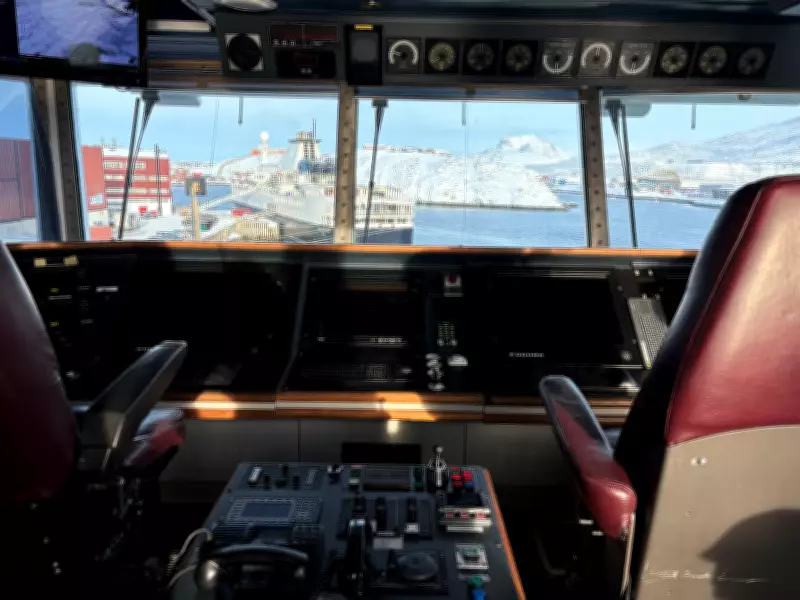
One of the primary functions of the Canadian Coast Guard in the Arctic is asserting national sovereignty. With increasing international interest in the region due to resource potential and navigable waters, the Coast Guard conducts regular patrols to monitor activity and enforce Canadian laws. These missions involve icebreaking vessels that clear paths for commercial and military ships, ensuring safe passage while demonstrating Canada's commitment to its territorial claims. Additionally, the Coast Guard collaborates with other agencies like the Royal Canadian Navy and the Department of National Defence to conduct joint exercises, enhancing readiness in this strategically important area.
Search and Rescue Operations
In the harsh and unpredictable Arctic environment, search and rescue (SAR) missions are a critical component of the Coast Guard's duties. With limited infrastructure and extreme weather conditions, responding to emergencies requires specialized equipment and highly trained personnel. The Coast Guard operates ice-capable ships and aircraft to assist vessels in distress, from fishing boats to cruise liners. Recent incidents, such as helicopter crashes in British Columbia, underscore the importance of these capabilities, though Arctic-specific challenges like ice cover and communication gaps add layers of complexity to rescue efforts.

Environmental Protection and Science
Beyond safety and sovereignty, the Canadian Coast Guard is deeply involved in environmental stewardship. This includes monitoring pollution, responding to oil spills, and supporting scientific research. As part of Canada's climate and environmental policies, the Coast Guard helps track changes in sea ice, wildlife populations, and marine ecosystems. For instance, initiatives like waste management in remote communities and studies on ocean acidification rely on Coast Guard logistics. However, critics argue that Canada is not on track to meet its climate targets, highlighting the need for more robust action in northern waters to protect fragile environments from industrial and shipping impacts.
Challenges and Future Directions
The Coast Guard faces significant hurdles in the Arctic, including aging fleets, funding constraints, and the vast distances involved. With the region warming at twice the global average, increased maritime traffic poses new risks, such as accidents and pollution. Upcoming projects, like the development of green technology and renewable energy sources, may influence Coast Guard operations, requiring adaptations to support sustainable practices. As Canada navigates these changes, the Coast Guard's role will likely expand, emphasizing the importance of public awareness and policy support to ensure effective northern governance.