Manitoba First Nations Leaders Demand Action Ahead of 2026 Wildfire Season
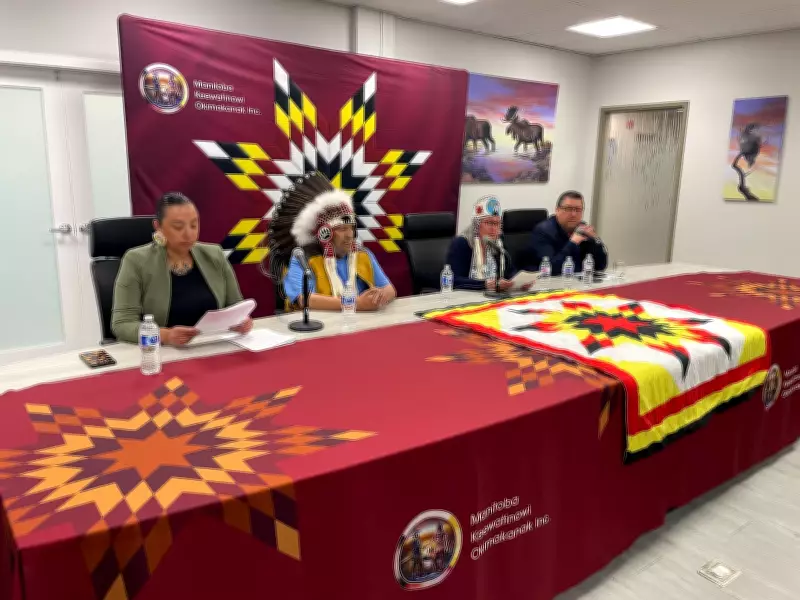
Indigenous leaders across Manitoba have issued a powerful call for urgent changes and enhanced collaboration as the 2026 wildfire season looms on the horizon. At a significant news conference held in Winnipeg on April 22, 2026, prominent First Nations representatives emphasized the critical need for unified efforts to protect communities and natural resources from the escalating threat of wildfires.
A Unified Front for Community Safety
The gathering featured key figures including Assembly of Manitoba Chiefs Grand Chief Kyra Wilson, Mathias Colomb Cree Nation Chief Gordie Bear, Acting Manitoba Keewatinowi Okimakanak (MKO) Grand Chief Shirley Ducharme, and Pimicikamak Cree Nation Chief David Monias. These leaders presented a united front, stressing that wildfire preparedness requires immediate attention and systemic improvements.
Grand Chief Kyra Wilson articulated the collective sentiment, stating, "We all need to work together to ensure our communities are safe and resilient. The time for action is now, before the fire season intensifies." This statement underscores the proactive approach being advocated by Indigenous communities, who have historically borne significant impacts from wildfires.

Addressing Historical Challenges and Future Risks
First Nations in Manitoba have faced disproportionate challenges during previous wildfire seasons, including evacuations, property damage, and disruptions to traditional livelihoods. The leaders highlighted several areas requiring attention:
- Enhanced Emergency Response Plans: Developing culturally appropriate and community-specific strategies for wildfire management.
- Improved Resource Allocation: Ensuring adequate funding and equipment for remote and northern communities.
- Strengthened Communication Networks: Facilitating better coordination between Indigenous communities, provincial authorities, and federal agencies.
- Environmental Stewardship: Incorporating traditional knowledge and practices into wildfire prevention and mitigation efforts.
Chief Gordie Bear emphasized the importance of integrating Indigenous perspectives, noting that "our communities hold valuable knowledge about the land and fire behavior that can contribute to more effective prevention strategies."
The Path Forward: Collaboration and Policy Reform
The news conference served as a platform to advocate for policy reforms and increased investment in wildfire preparedness. Leaders called for a collaborative framework that involves all levels of government, emergency services, and community organizations. Acting Grand Chief Shirley Ducharme pointed out that "systemic changes are necessary to address the root causes of vulnerability and build long-term resilience."
As climate change continues to influence weather patterns, the frequency and intensity of wildfires in Manitoba are expected to rise. Chief David Monias stressed the urgency of the situation, stating, "We cannot afford to wait until disaster strikes. Proactive measures and sustained partnerships are essential to safeguarding our people and territories."
The collective appeal from Manitoba's First Nations leaders highlights a critical moment for environmental and community safety. By fostering cooperation and implementing strategic changes, there is hope for a more prepared and resilient approach to the upcoming wildfire season and beyond.