Environment Canada Issues Fog Advisory for London Region
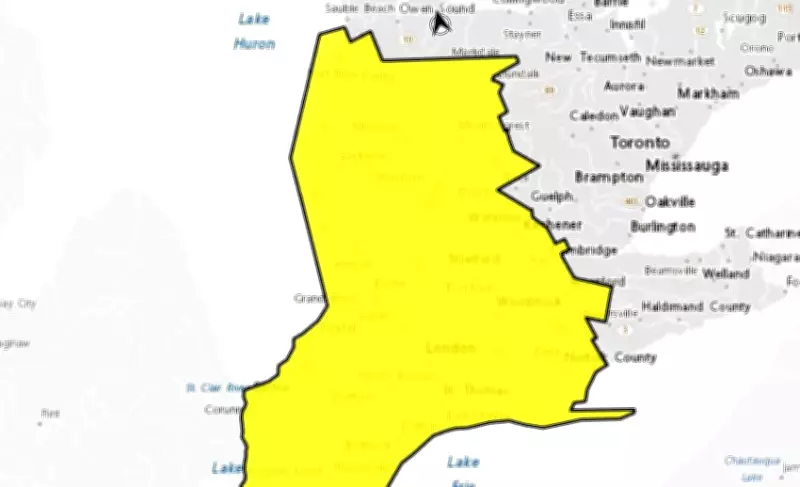
Environment Canada has officially issued a fog advisory for the London region, warning residents of potentially hazardous conditions due to reduced visibility. The advisory, announced on February 16, 2026, comes as winter weather patterns continue to shift across southern Ontario, creating a mix of environmental challenges from fog to ongoing snow melt concerns.
Weather Conditions and Safety Precautions
The fog advisory specifically targets the London area, where dense fog has been reported, significantly impairing visibility for motorists and pedestrians. Environment Canada emphasizes that such conditions can develop rapidly and persist, especially during early morning and evening hours. Travelers are advised to exercise extreme caution, reduce speed, and use low-beam headlights to enhance safety on roads.
This advisory is part of a broader weather pattern affecting Ontario, with other regions experiencing varied conditions. For instance, southern Ontario faces elevated flood risks due to snow melt, while Saskatchewan anticipates the return of winter conditions after temporary thaws. The fog in London highlights the unpredictable nature of late-winter weather, requiring constant vigilance from both authorities and the public.

Context Within National Weather Events
The fog advisory aligns with several other weather-related incidents across Canada. In Saskatchewan, winter conditions are expected to rebound, potentially bringing snow and ice. Meanwhile, in Ontario, the combination of fog and melting snow raises concerns about transportation safety and infrastructure strain. Environment Canada's proactive measures aim to mitigate risks, as seen in similar advisories for extreme weather events nationwide.
Residents should monitor updates from Environment Canada for any changes to the advisory, as fog can dissipate or intensify based on temperature and humidity shifts. Additionally, this event underscores the importance of heeding weather warnings, especially during transitional seasons when conditions can change abruptly.
Broader Environmental and Safety Implications
Beyond immediate travel concerns, the fog advisory reflects ongoing environmental challenges in Canada. Climate variability contributes to such phenomena, with fog often resulting from temperature inversions and moisture accumulation. This incident coincides with other environmental news, such as pollution control efforts and sustainable initiatives, highlighting the interconnectedness of weather, safety, and ecological health.
In summary, the fog advisory for London serves as a critical reminder for preparedness during winter weather fluctuations. By following Environment Canada's guidelines and staying informed, communities can better navigate these conditions and reduce associated risks.