Historic Flooding Prompts State of Emergency Declaration in Greater Sudbury
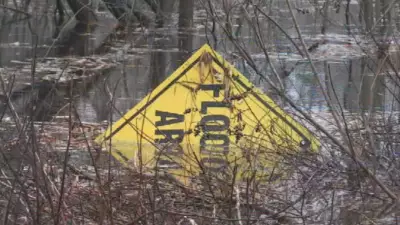
In a dramatic response to escalating weather conditions, the city of Greater Sudbury in Northern Ontario has declared a state of emergency due to historic flooding. The declaration, made on April 21, 2026, comes as heavy rainfall and rapid snowmelt have caused water levels to surge, overwhelming local infrastructure and prompting urgent calls for community action.
Emergency Measures and Community Response
Local authorities have mobilized emergency services to address the crisis, with officials emphasizing the need for residents to evacuate low-lying areas and secure their properties. The flooding has already led to road closures, including a section of Highway 17 south of Kingsway in Sudbury after a two-vehicle crash exacerbated by the hazardous conditions. In a related incident, a video captured the rescue of a woman who nearly froze to death in northern Ontario, highlighting the severe risks posed by the extreme weather.
Rick Wyman, a meteorologist, provided detailed weather updates for northeastern Ontario, forecasting continued precipitation and potential flooding over the next seven days. His analysis underscores the urgency of the situation, as climate patterns contribute to more frequent and intense weather events in the region.

Broader Context and Environmental Concerns
This flooding event occurs amid growing environmental challenges in Canada. Federal data shows that emissions reductions slowed in 2024, raising concerns about the nation's ability to mitigate climate impacts. Meanwhile, studies have found contaminants like opioids and antidepressants in fish near wastewater plants, pointing to broader pollution issues that may exacerbate ecological stress during such disasters.
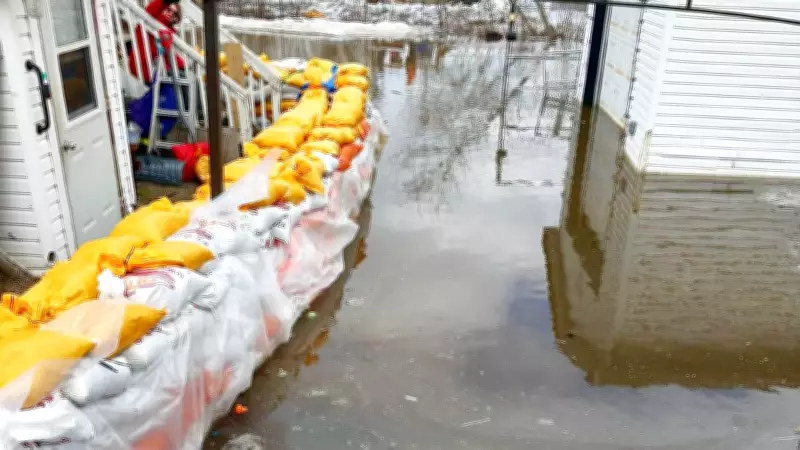
In other parts of the country, similar crises have unfolded. For instance, an elderly couple remains displaced a month after a mudslide in Coquitlam, and sandbagging efforts are underway as water levels rise on the Ottawa River. These incidents reflect a pattern of increasing extreme weather events linked to climate change.
Political and Social Implications
The flooding has also sparked political discussions, with Ontario Premier Doug Ford commenting on provincial resources, though he declined to reconsider selling a government jet. On a national scale, a new Canada-U.S. advisory council includes former premiers and an ex-Conservative leader, aiming to address cross-border issues that may include disaster response coordination.
As the situation develops, residents are advised to stay informed through official channels and heed evacuation orders. The state of emergency in Greater Sudbury serves as a stark reminder of the vulnerabilities faced by communities in the face of natural disasters and the critical need for robust preparedness and response strategies.