Warmer weather sweeping through the Grand River watershed has heightened concerns about potential ice jams, posing significant flood risks to communities along the river. This climatic shift, occurring in mid-February 2026, could lead to dangerous conditions as melting ice accumulates and blocks water flow.
Increased Flooding Threats
The Grand River, a vital waterway in Ontario, is particularly susceptible to ice jams during rapid temperature increases. These jams form when ice sheets break apart and pile up, obstructing the river's path and causing water levels to rise abruptly. Local authorities are urging residents to stay vigilant, as such events can result in sudden flooding, property damage, and safety hazards.
Historical Context and Current Monitoring
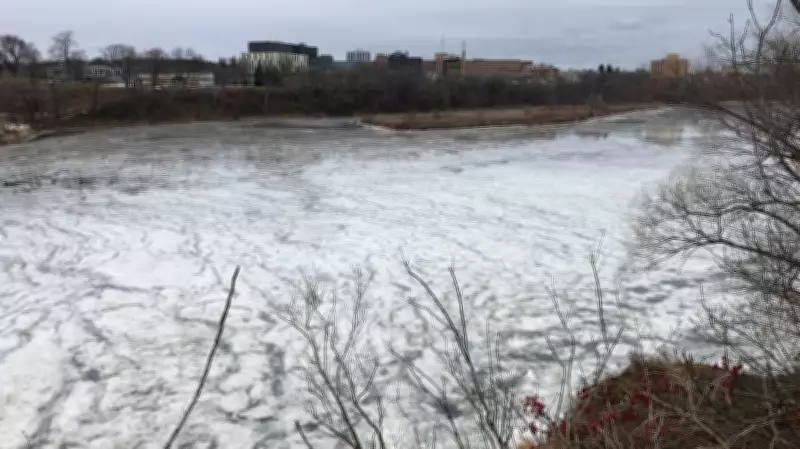
Historical data shows that the Grand River has experienced similar ice jam incidents in the past, often linked to unseasonably warm spells. For instance, in December 2022, the river near Cambridge Memorial Hospital was documented under icy conditions, highlighting its vulnerability. Environmental agencies are closely monitoring water levels and ice movements to provide timely warnings and mitigate potential impacts.

Community Preparedness and Response
Municipalities within the watershed are implementing preparedness measures, including emergency response plans and public awareness campaigns. Residents are advised to:
- Keep an eye on local weather updates and river condition reports.
- Avoid areas near the riverbanks during periods of rapid ice melt.
- Report any signs of ice accumulation or unusual water levels to authorities immediately.
This proactive approach aims to minimize risks and ensure community safety as the warmer weather persists.
Broader Environmental Implications
The potential for ice jams in the Grand River watershed underscores the broader challenges posed by climate variability. Warmer winters and erratic temperature fluctuations can exacerbate natural hazards, affecting not only flood management but also local ecosystems and infrastructure. Continued research and adaptive strategies are essential to address these evolving environmental threats in the region.