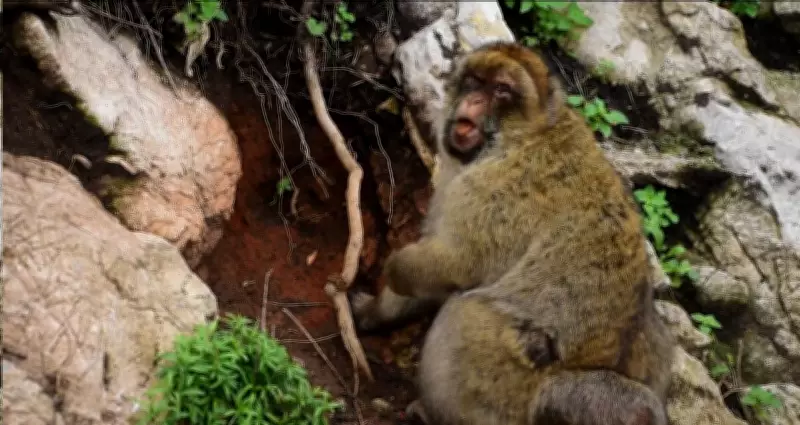
Monkeys Resort to Dirt Consumption After Ingesting Tourist Junk Food
A startling new study has revealed that monkeys in Gibraltar are turning to an unusual dietary practice: eating dirt after consuming junk food provided by tourists. This behavior, observed by researchers from the Gibraltar Macaques Project, underscores the severe health consequences of human interference with wildlife feeding habits.
Unhealthy Snacks Lead to Unusual Coping Mechanism
The research, conducted over several months, documented multiple instances where macaques ingested soil following the consumption of processed snacks like chips, candy, and sugary drinks left by visitors. Scientists believe this geophagy—the deliberate consumption of earth—may be an instinctive attempt to neutralize toxins or replenish minerals depleted by the nutritionally poor junk food.
"These monkeys are essentially self-medicating with dirt to counteract the harmful effects of human food," explained Dr. Martin Nicourt, lead researcher on the project. "Their natural diet consists of fruits, leaves, and insects, which provide balanced nutrition. The high-fat, high-sugar items from tourists disrupt their digestive systems and mineral balance."

Long-Term Health Implications for Primate Populations
Beyond immediate digestive issues, the study warns of potential long-term health risks for the macaque population. Regular consumption of junk food can lead to obesity, dental problems, and metabolic disorders in primates, similar to effects seen in humans. The dirt-eating behavior, while possibly providing short-term relief, does not address the underlying nutritional deficiencies and may introduce parasites or contaminants from the soil.
"This is a clear sign of ecosystem disturbance," noted Dr. Nicourt. "When animals alter their natural behaviors to cope with human-provided food, it indicates a significant environmental stressor. We've observed changes in social dynamics too, with increased aggression around food sources and disrupted foraging patterns."
Broader Implications for Wildlife Management
The findings have prompted calls for stricter regulations on tourist interactions with wildlife in Gibraltar and similar habitats worldwide. Recommendations include:
- Implementing educational campaigns about the dangers of feeding wildlife
- Enforcing fines for unauthorized feeding of monkeys
- Providing designated viewing areas with natural barriers
- Monitoring primate health more closely for diet-related issues
This research adds to growing evidence that human food waste and direct feeding are altering animal behaviors across species, from urban raccoons to national park bears. The Gibraltar macaques serve as a particularly visible example due to their proximity to human settlements and tourist attractions.
As tourist numbers continue to rebound post-pandemic, wildlife experts emphasize the importance of responsible tourism practices. "Appreciating wildlife means respecting their natural diets and habitats," concluded Dr. Nicourt. "Our snacks might seem harmless, but they're literally driving monkeys to eat dirt."