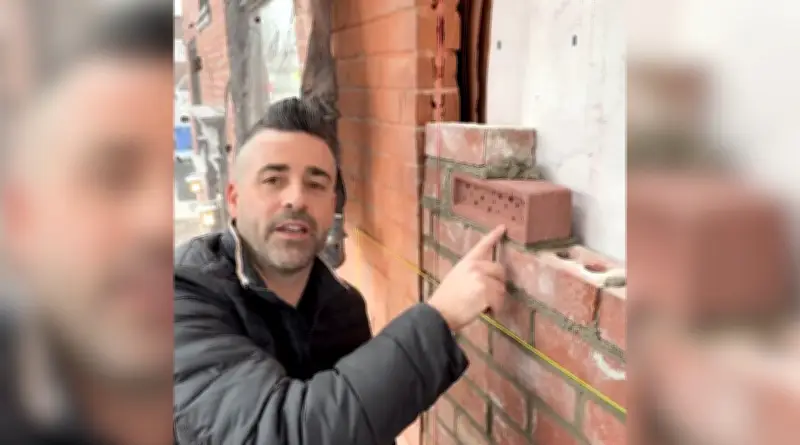
A Montreal initiative is using 'Bee Bricks' to provide nesting habitats for local pollinators in urban environments. The bricks, developed by Brick Recyc, are designed with small cavities that mimic natural nesting sites for solitary bees, which are crucial for pollination but often struggle to find suitable habitats in cities.
How Bee Bricks Work
Bee Bricks are manufactured from recycled concrete and clay, making them an eco-friendly building material. They feature a series of holes of varying diameters, typically 2–10 mm, that attract solitary bee species such as mason bees and leafcutter bees. Unlike honeybees, solitary bees do not live in hives and are non-aggressive, making them ideal for urban settings. The bricks are integrated into building facades, garden walls, or other structures, providing safe, dry nesting sites away from predators.
According to Brick Recyc, the initiative aims to address the decline of pollinator populations in cities due to habitat loss and pesticide use. 'Bee Bricks offer a simple, scalable solution to support urban biodiversity,' a company spokesperson said. 'Each brick can host multiple bee larvae, contributing to the local ecosystem.'

Impact on Urban Ecology
Pollinators like bees are essential for the reproduction of many plants, including food crops. In Montreal, urban green spaces and community gardens rely on these insects. A 2023 study by the University of Montreal found that solitary bees accounted for over 60% of pollination visits in city parks. However, their numbers have dropped by 25% in the past decade due to urbanization.
The Bee Brick project is part of a broader trend in 'green building' that integrates wildlife habitats into architecture. Similar initiatives exist in the UK and Germany, but Montreal is among the first Canadian cities to adopt the technology on a wide scale. The city has installed over 500 Bee Bricks in public buildings and parks since 2024, with plans to expand to private developments through incentives.
Community and Environmental Benefits
Local environmental groups have praised the initiative. 'Bee Bricks are a tangible way for residents to contribute to conservation without major effort,' said Marie-Claude Lefebvre, a coordinator at Montreal's Urban Ecology Centre. 'They also raise awareness about the importance of pollinators.' The bricks require minimal maintenance and can last for decades, making them cost-effective for municipalities.
Brick Recyc reports that the bricks have already shown positive results: monitoring of installed bricks in 2025 revealed that 80% were occupied by bees within the first year. The company is now developing a version for rooftop gardens and balconies, aiming to reach more homeowners.
Challenges and Future Plans
Despite the success, challenges remain. Some critics argue that Bee Bricks alone cannot reverse pollinator decline without broader changes in pesticide use and green space management. 'They are a helpful tool, but not a silver bullet,' warned Dr. Antoine Desjardins, an entomologist at McGill University. 'We need integrated strategies that include habitat restoration and reduced chemical use.'
Montreal's city council has committed to installing Bee Bricks in all new municipal buildings starting in 2027. Private developers can also receive tax credits for incorporating them. The initiative has inspired similar projects in Toronto and Vancouver, with Brick Recyc exporting bricks to other provinces.
As urban areas expand, such innovations offer a path to coexist with nature. 'Bee Bricks show that even small changes in how we build can make a big difference for wildlife,' said Lefebvre. With continued support, Montreal's bees may find a lasting home in the city's walls.