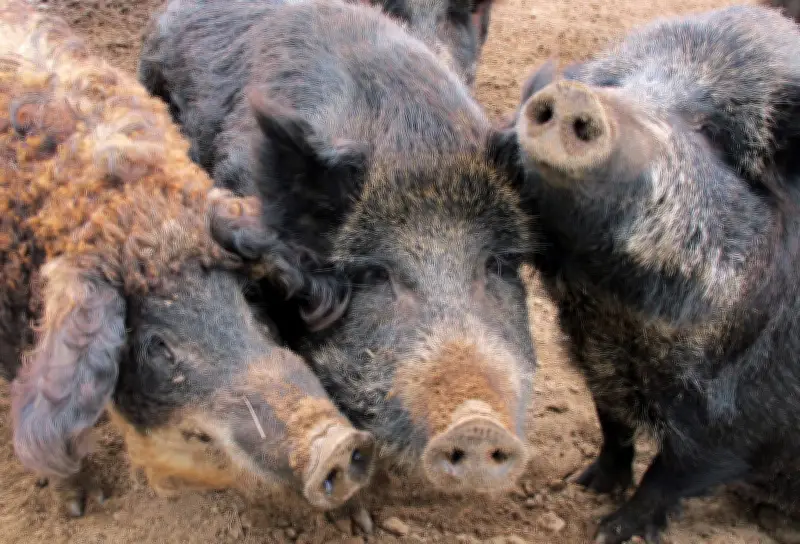
The Ontario government has launched a new program using drones with thermal cameras to track down invasive wild pigs. These animals, also known as feral hogs, razorbacks, or Eurasian wild boar, have been spreading across the province, causing significant damage to crops and natural habitats.
How the Drone Program Works
The drones are flown over areas where wild pigs have been sighted, using thermal imaging to detect the animals even in dense vegetation or at night. Once located, trained teams can then humanely trap or shoot the pigs. The program is part of a broader strategy to control the invasive species before their population explodes.
Impact on Agriculture and Environment
Wild pigs are notorious for rooting up soil, destroying crops, and competing with native wildlife for food. They also carry diseases that can affect livestock and humans. According to the Ontario Ministry of Natural Resources and Forestry, the animals have been reported in several regions, including central and eastern Ontario. The drone program aims to prevent them from becoming established in new areas.

“Invasive wild pigs are a serious threat to our agricultural sector and biodiversity,” said a ministry spokesperson. “Using drones with thermal cameras allows us to detect them quickly and take action before they cause irreversible damage.”
Challenges and Future Plans
While the drone program is a promising tool, officials acknowledge that eradication is difficult because wild pigs are intelligent and elusive. The ministry is also working with farmers and landowners to report sightings and implement preventive measures. If successful, the program could be expanded to other parts of the province.