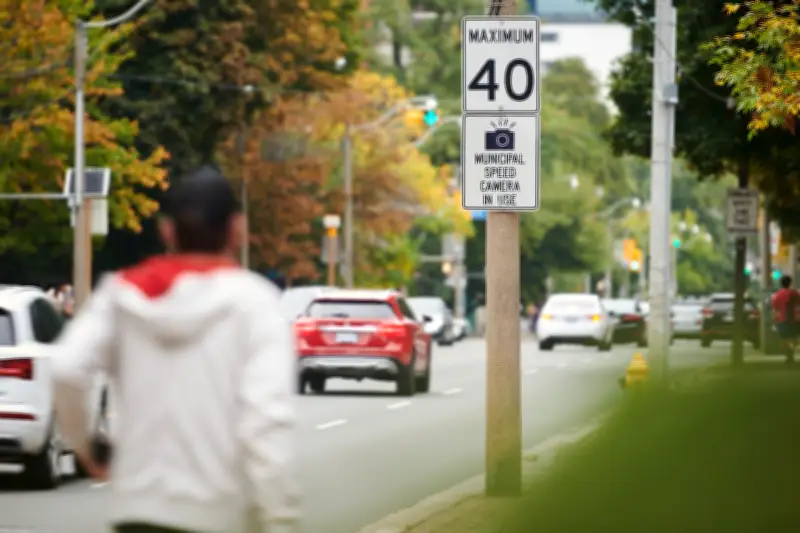
Speeding violations in Toronto increased sharply following the removal of automated speed enforcement cameras, a development that traffic experts and safety advocates describe as completely predictable. The surge, documented in a new report, underscores the reliance on camera-based enforcement to deter excessive speed in school zones and community safety zones.
Camera Removal Led to Immediate Spike
The city deactivated a number of speed cameras in early 2026 amid administrative and contractual disputes. Within weeks, data from remaining sensors showed a 30% increase in vehicles exceeding speed limits by more than 15 km/h in previously monitored areas. According to the Toronto Centre for Active Transportation, the rise was most pronounced in wards where all cameras were removed.
"This outcome was entirely foreseeable," said Brian Patterson, president of the Ontario Safety League. "Speed cameras are one of the most effective tools we have for modifying driver behavior. When you take them away, drivers revert to old habits almost immediately."

Expert Analysis Confirms Predictability
A report by the University of Toronto’s Department of Civil and Mineral Engineering analyzed traffic data from 50 camera locations before and after removal. It found that average speeds in former camera zones rose by 8 km/h, and the proportion of drivers exceeding the limit by 20 km/h doubled. The report concluded that the absence of enforcement cameras created a permissive environment for speeding.
"The data shows a clear causal link between camera presence and compliance," said Dr. Emily Chen, lead author of the study. "Removing enforcement without a replacement strategy inevitably leads to increased risk for pedestrians and cyclists."
Advocates Call for Swift Reinstatement
Pedestrian safety groups have urged the city to restore cameras immediately. Walk Toronto coordinator Jessica Spieker noted that the surge coincides with a 15% rise in serious collisions involving pedestrians in the affected zones. "Every day without cameras is a day we are gambling with lives," she said. "The city must prioritize safety over administrative delays."
City councillors have pledged to expedite new contracts, but no timeline has been announced. Meanwhile, Toronto police have increased patrols in some areas, but advocates argue that automated enforcement is far more consistent and cost-effective.
Broader Implications for Traffic Policy
The Toronto experience mirrors trends in other jurisdictions that have paused camera programs. A 2025 study by the Insurance Institute for Highway Safety found that cities that removed cameras saw a 25% increase in fatal speeding-related crashes. Experts say the Toronto case reinforces the need for stable, long-term funding for automated enforcement.
"Speed cameras are not a revenue tool; they are a proven safety measure," said Patterson. "Politicians who treat them as optional are putting the public at risk." The city is expected to release a full report on the camera removal impact next month.