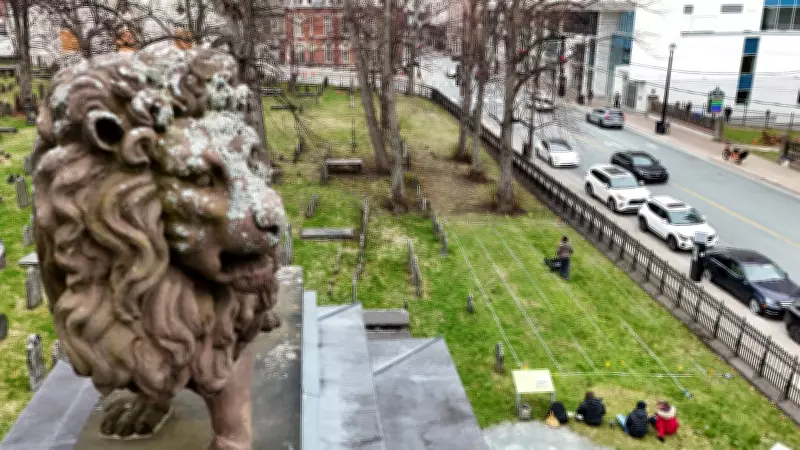
Archaeological work at Halifax's Old Burying Ground could lead to the discovery of unmarked graves, according to researchers from Saint Mary's University. The project, led by archaeologist Jonathan Fowler, involves students using ground-penetrating radar and other non-invasive techniques to map burial sites beneath the historic cemetery.
Historical Significance of the Site
The Old Burying Ground, established in 1749, is one of Halifax's oldest cemeteries. It holds the remains of early settlers, soldiers, and notable figures from the city's colonial past. However, records of burials are incomplete, and many graves may be unmarked or lost over time.
Student-Led Research
Fowler emphasized the educational value of the project, stating that students gain hands-on experience in archaeological methods while contributing to local heritage. The team is using radar to detect disturbances in the soil that indicate burial shafts, followed by careful excavation where appropriate.

The findings could provide insights into burial practices, demographics, and health conditions of historical Halifax residents. The work is conducted with respect for the deceased and in consultation with descendant communities.
This initiative highlights the importance of preserving and understanding historical sites, even in urban settings, and may set a precedent for similar studies in other old cemeteries across Canada.