Invasive Zebra Mussels Discovered in Saint John River Last Year
In a concerning environmental development, invasive zebra mussels were found in the Saint John River last year, according to recent reports. This discovery underscores the persistent threat these non-native species pose to aquatic ecosystems in the region.
Background and Previous Sightings
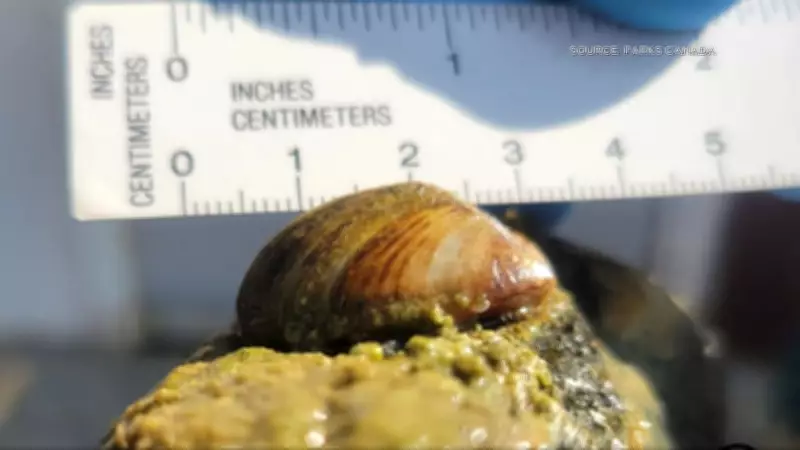
The detection in the Saint John River follows a prior incident in July 2024, when a zebra mussel was identified in Clear Lake, specifically in the Boat Cove area. Parks Canada documented this earlier finding, which served as a precursor to the more recent discovery. Zebra mussels, known for their rapid reproduction and ability to clog water infrastructure, have been a growing concern for conservationists and authorities alike.
Ecological Impact and Concerns
The presence of zebra mussels in the Saint John River raises significant ecological alarms. These invasive mollusks can outcompete native species for resources, alter water quality, and damage boats and pipes. Their spread often leads to biodiversity loss and increased maintenance costs for water-dependent industries. This discovery highlights the ongoing challenges in managing invasive species in Canadian waterways.

Response and Monitoring Efforts
Authorities are likely intensifying monitoring and response strategies in light of this finding. Typically, such efforts include public awareness campaigns, boat inspection programs, and research into control methods. The goal is to prevent further spread and mitigate the environmental and economic impacts. Continuous vigilance is essential to protect the Saint John River's ecosystem from long-term harm.
Broader Context and Implications
This incident is part of a larger pattern of invasive species threats across North America. Zebra mussels, originally from Eurasia, have been spreading through waterways for decades, often facilitated by human activities like boating. The discovery in the Saint John River serves as a reminder of the importance of proactive environmental stewardship and cross-jurisdictional cooperation to address such issues effectively.