A global political shift is underway as governments confront the soaring costs and minimal climate benefits of aggressive net-zero mandates. Voters, weary of high energy bills and patronizing rhetoric, are driving a new pragmatism into the climate debate from Washington to Canberra.
The U.K. as a Cautionary Tale
The starkest warning comes from the United Kingdom. After enacting a law in 2019 committing to net-zero emissions by 2050, the country has experienced severe economic consequences. Industrial electricity prices skyrocketed by 124% between 2019 and 2024, a rate four times higher than in the United States. This surge has left the U.K. with the highest power rates in the western world at 49.6 Canadian cents per kilowatt-hour.
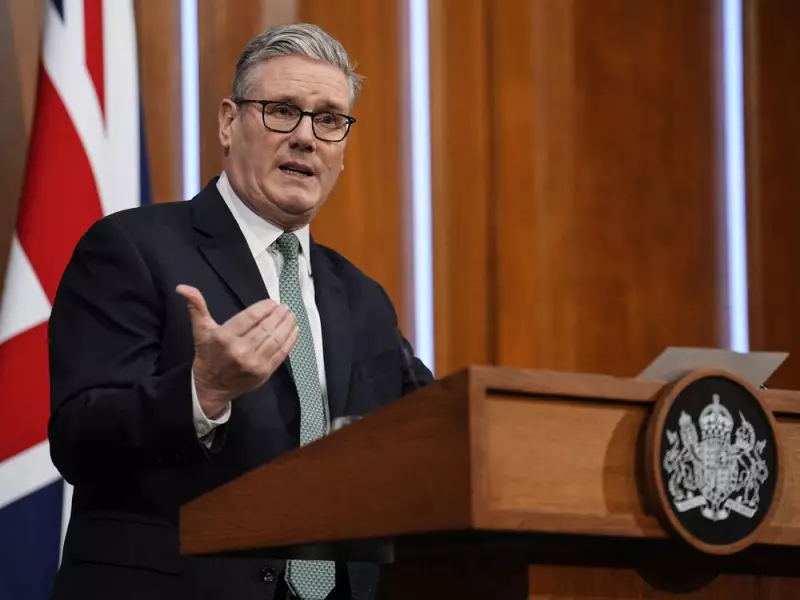
Political fallout is now inevitable. The opposition party Reform UK, currently leading national polls, demands an end to the targets. The Conservative party, facing potential electoral disaster, has pledged to repeal the Climate Change Act. Even Prime Minister Keir Starmer's Labour government is reportedly preparing to delay or dilute key green commitments to curb the growing voter revolt.

A Worldwide Trend of Retreat
The U.K.'s experience is not isolated but a harbinger of a broader global retreat. In Australia, the conservative Liberal Party has abandoned its 2050 net-zero promise, choosing instead to prioritize lower energy prices. Germany's far-right AfD, now leading polls, rails against "elitist" green burdens and vows to halt decarbonization.
Even traditionally pro-climate institutions are adjusting. The Tony Blair Institute has urged suspending carbon taxes on gas to slash energy prices through 2030, prioritizing affordable power over emission cuts—a strategy already employed by the U.S. and China. The European Union is rolling back environmental laws and watering down sustainable finance rules amid protests and economic concerns.
Economic Pain for Unmeasurable Gain
The core of the backlash is the stark imbalance between immediate economic cost and distant climate benefit. At a recent U.K. parliamentary hearing, an executive testified that even if wholesale electricity prices fell to zero, consumer bills would remain high due to escalating policy-driven expenses. The Labour government's renewables-focused plans are expected to inflate costs further.
This recalibration extends to the corporate world. Major financial institutions are stepping back from high-profile climate commitments. Wells Fargo abandoned its net-zero promise in March 2025, and BlackRock left the Net Zero Asset Managers alliance just two months prior, citing political backlash against ESG (Environmental, Social, and Governance) investing.
The message from voters is clear: climate policy must balance environmental goals with economic reality and energy affordability. As politicians worldwide face this reckoning, the era of unquestioned, aggressive net-zero mandates appears to be ending, replaced by a more pragmatic and politically sustainable approach.