Renewable Energy Achieves Record Milestone Amid Political Challenges
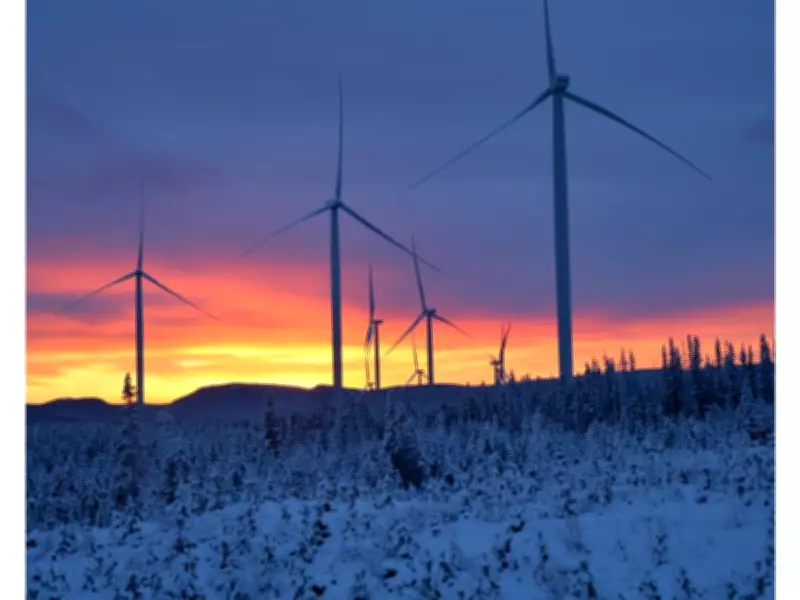
In a significant development for climate action, renewable energy sources have reached unprecedented levels globally, demonstrating remarkable resilience against political opposition. This milestone comes as a new report highlights the substantial economic contributions of Canadian parks and conserved areas, which generate billions of dollars in tax revenue and support thousands of jobs across the nation.
Weekly Climate Update: Key Developments and Scientific Insights
This comprehensive climate news summary covers critical developments from February 23 to March 1, 2026, including both local British Columbia initiatives and international scientific findings. The Port of Vancouver has initiated preparations for dredging the shipping channel at Second Narrows, while renewable energy infrastructure continues to expand despite political rhetoric challenging climate solutions.
According to the United Nations Intergovernmental Panel on Climate Change, human activities including fossil fuel combustion and intensive livestock farming remain the primary drivers of climate change. These activities significantly increase atmospheric concentrations of heat-trapping greenhouse gases, directly contributing to rising global temperatures and more extreme weather patterns.

Scientific Consensus on Accelerating Climate Change
The international scientific community, including researchers from British Columbia, has issued repeated warnings about the intensifying climate emergency. NASA climate scientists confirm that human activities have increased atmospheric carbon dioxide levels by 50 percent in under two centuries, with unequivocal evidence demonstrating unprecedented planetary warming rates.
Current atmospheric monitoring reveals concerning trends:
- Carbon dioxide concentrations reached 428.62 parts per million as of February 5, 2026
- This represents a steady increase from 427.49 ppm the previous month
- Levels have risen dramatically from under 320 ppm recorded in 1960
Temperature Records and Climate Thresholds
Recent temperature data underscores the accelerating pace of climate change:
- The global average temperature reached 1.48°C above pre-industrial levels in 2023
- 2024 exceeded the critical 1.5°C threshold at 1.55°C above pre-industrial averages
- 2025 marked the third warmest year on record, continuing an 11-year streak of record warmth
The world remains off track to meet Paris Agreement targets limiting warming to 1.5°C above pre-industrial levels. According to the UN Environment Programme's 2025 Emissions Gap Report, even if current national commitments are fully implemented, global temperatures could still rise between 2.3°C and 2.5°C this century.
Economic Value of Protected Natural Areas
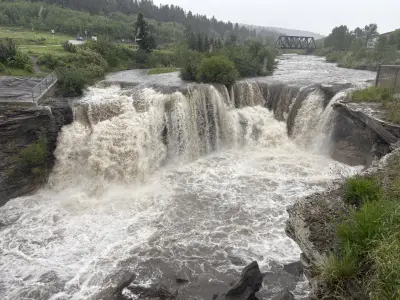
Beyond climate metrics, a new analysis reveals that Canadian parks and conserved areas contribute substantially to national prosperity. These protected spaces generate billions in tax revenue while supporting employment across multiple sectors, demonstrating that environmental conservation and economic development can progress simultaneously.
The scientific evidence continues to mount regarding humanity's impact on Earth's climate systems. With carbon dioxide concentrations exceeding 430 parts per million in June 2025 and global temperatures consistently breaking records, the need for accelerated climate action becomes increasingly urgent each year.