The spectre of renewed U.S. military strikes on Iran has triggered extreme volatility in global oil markets, with prices swinging wildly as traders react to escalating geopolitical tensions. The uncertainty has raised concerns about potential disruptions to supply routes, particularly through the strategic Strait of Hormuz, a critical chokepoint for global oil shipments.
Oil Price Swings Intensify
Crude oil futures experienced sharp fluctuations, with benchmark prices surging by more than 5% early in the trading session before retreating partially as investors weighed the likelihood of further U.S. military action. The volatility reflects deep anxiety over the potential for a broader conflict that could disrupt oil production and transportation in the Middle East.
Analysts point to recent statements from U.S. officials hinting at possible strikes on Iranian facilities as the primary driver of the market turbulence. The situation has been compounded by Iran's threats to close the Strait of Hormuz in retaliation, a move that would severely impact global oil supplies.

Global Economic Implications
The price swings are reverberating through global economies, with import-dependent nations facing higher energy costs. The uncertainty is also weighing on stock markets, as investors fear that sustained high oil prices could stoke inflation and slow economic growth. The Canadian dollar, closely tied to commodity prices, has been particularly sensitive to the developments.
Industry experts warn that prolonged instability could lead to supply shortages and further price spikes, especially if diplomatic efforts fail to de-escalate the situation. The International Energy Agency has urged member countries to be prepared to release emergency oil reserves if necessary.
Strait of Hormuz in Focus
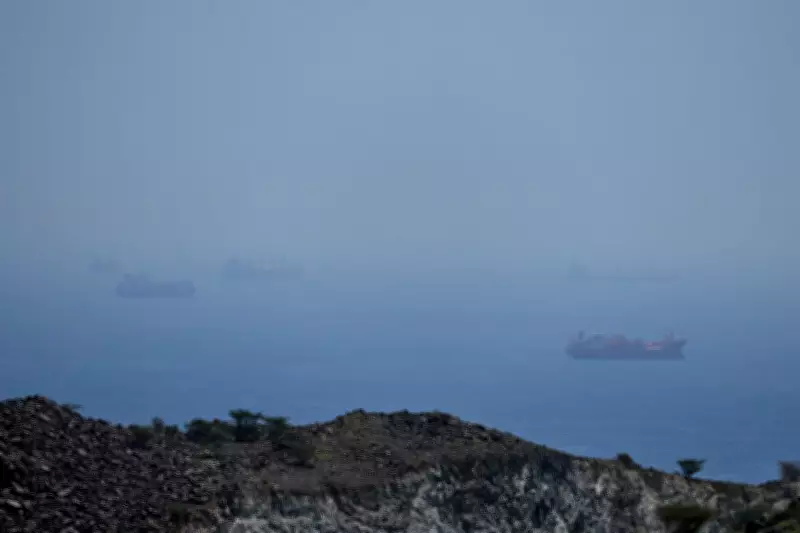
The Strait of Hormuz, through which about 20% of the world's oil passes, has become the epicenter of market anxiety. Iran has previously threatened to block the waterway, and any disruption would have immediate and severe consequences for global energy markets. Tanker traffic in the region has already been affected, with insurance premiums for vessels rising sharply.
Military analysts note that any U.S. strikes would likely target Iranian naval assets and coastal defenses to prevent a blockade. However, the risk of miscalculation remains high, with both sides engaging in rhetoric that heightens the potential for conflict.
Market Reactions and Forecasts
Oil traders are bracing for continued volatility, with some predicting that prices could spike above $100 per barrel if the situation deteriorates. Hedging activity has increased as companies seek to protect themselves against adverse price movements. Meanwhile, OPEC+ members are reportedly considering an emergency meeting to discuss potential output adjustments.
The Canadian energy sector, already grappling with trade tensions and regulatory challenges, faces additional uncertainty. Producers in Alberta are monitoring the situation closely, as higher global prices could boost revenues but also attract criticism over rising fuel costs for consumers.
As the world watches the unfolding crisis, the key question remains whether diplomatic channels can prevent a full-scale confrontation. For now, the oil market remains hostage to the spectre of renewed strikes on Iran, with every new headline capable of sending prices on another wild ride.