Moringa Tree Seeds: A Natural Solution for Microplastic Pollution
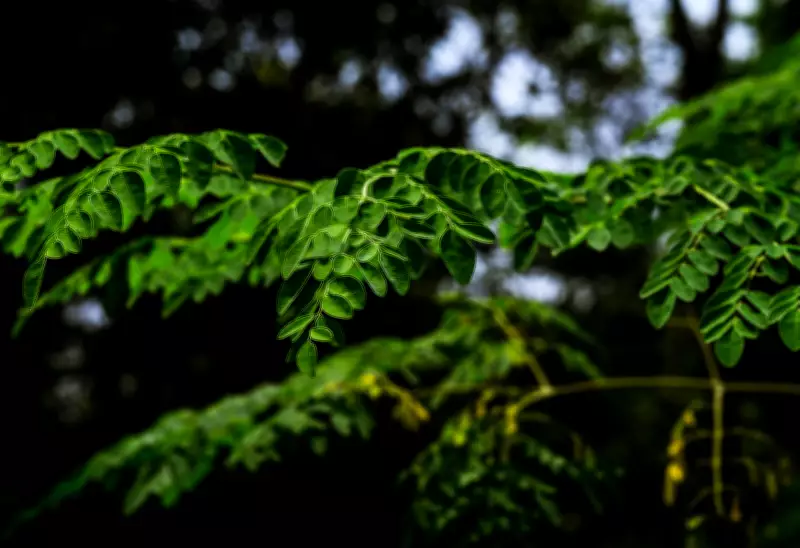
New research has discovered that seeds from the moringa tree, often called the 'miracle tree,' can filter more than 98% of microplastics from tap water. This breakthrough offers a low-cost, natural method to combat plastic contamination in drinking water.
How Moringa Seeds Work
The seeds contain proteins that act as natural coagulants, binding to microplastic particles and causing them to settle out of the water. This process is similar to traditional water treatment but uses biodegradable materials instead of synthetic chemicals.
Scientists tested the seeds on water samples contaminated with common microplastics, including polyethylene and polypropylene. The results showed removal rates exceeding 98%, making it one of the most effective natural filtration methods discovered to date.

Implications for Global Water Safety
Microplastics are a growing concern worldwide, with studies linking them to potential health risks. The moringa tree is native to South Asia but grows in tropical and subtropical regions globally, making this solution accessible to many developing countries that lack advanced water treatment infrastructure.
Researchers are now exploring how to scale up the process for municipal water systems. They also plan to investigate whether the seeds can remove other contaminants, such as heavy metals and bacteria.
This discovery comes as communities worldwide seek affordable ways to improve water quality. The moringa tree is already known for its nutritional and medicinal properties, and this new application could further enhance its reputation as a 'miracle tree.'