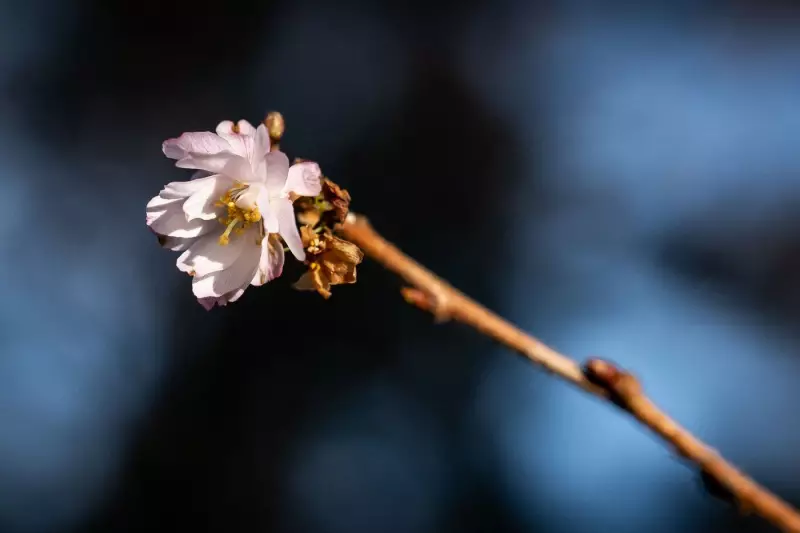
An unusually mild January across British Columbia has tricked nature's clock, prompting cherry blossoms and other plants to bloom weeks ahead of schedule. However, this premature spring spectacle faces a serious threat as meteorologists warn of an incoming cold snap that could devastate the tender new growth.
Premature Blooms Paint an Unusual Winter Picture
The phenomenon was captured in a photograph taken on Monday, January 19, 2026, in North Vancouver, showing delicate cherry blossoms already open on a branch. This early flowering is a direct consequence of sustained above-average temperatures throughout the province this month, creating conditions that mimic a typical late February or early March environment.
While the sight of blossoms in mid-January provides a cheerful contrast to typical winter greys, it signals a significant disruption to normal plant cycles. Horticulturists note that once buds break dormancy and begin to flower, they lose their natural hardiness against freezing conditions.

The Looming Threat of a Destructive Frost
The primary concern for gardeners, arborists, and ecologists is the forecasted return of seasonally cold weather. A sharp drop in temperature, known as a cold snap, is anticipated. When these freezing conditions arrive, the newly emerged blossoms and leaves have no defense.
The result could be widespread "frost kill," where plant tissues are damaged or destroyed by ice crystal formation. This not only ruins the current floral display but can also deplete the plant's energy reserves, potentially harming its health and reducing its ability to bloom again in the true spring. For fruit trees like cherries, a frost event now could severely impact the upcoming season's fruit yield.
Broader Implications of a Warming Climate
This event is being viewed by many as a tangible example of how shifting climate patterns are affecting local ecosystems. Warmer winters can repeatedly trigger early blooms, making plants perpetually vulnerable to late frosts, which remain a common occurrence in the region's climate.
The situation leaves residents and city arborists in a difficult position. While protective measures like covering small trees are possible for some homeowners, safeguarding large, mature cherry trees—especially the iconic ones lining Vancouver's streets—is virtually impossible on a broad scale.
For now, the community can only enjoy the rare January blossoms while anxiously watching the weather forecast, hoping the impending cold is mild enough to spare the precocious flowers from a fatal freeze.