Families in Gaza are facing a devastating new crisis as they attempt to recover from days of intense rainfall that has claimed at least twelve lives. The severe weather has caused widespread flooding and building collapses, compounding the immense challenges in the war-torn territory.
Searching Through the Rubble
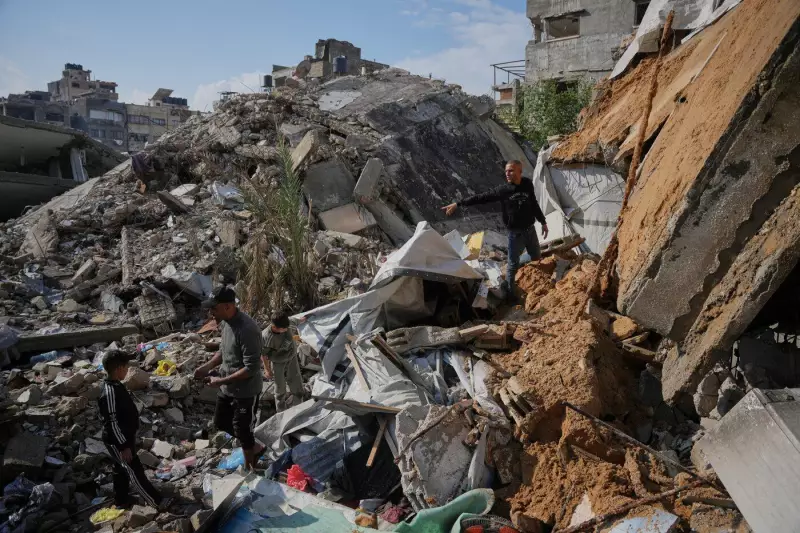
On Tuesday, December 16, 2025, members of the Al-Hosari family were seen sifting through the wreckage of their collapsed home in Gaza City. Officials from Al-Shifa Hospital confirmed that the incident killed at least one person and left several others injured. The scene, captured by Associated Press photographer Abdel Kareem Hana, is a stark representation of the struggle faced by countless residents.
The death toll from the storms has reached twelve people, according to local reports. The torrential rains have overwhelmed the region's already fragile infrastructure, leading to dangerous flooding and structural failures. For many, the disaster represents a cruel addition to the existing hardships of conflict.

A Compounded Humanitarian Crisis
The extreme weather event has created a secondary emergency within Gaza. Emergency services, already stretched thin, are now dealing with flood-related incidents alongside ongoing needs. The search for survivors and belongings in collapsed structures is proceeding under difficult conditions.
Recovery efforts are hampered by the extensive damage to the urban environment from previous conflicts. The lack of robust drainage systems and secure shelter has made the population particularly vulnerable to such natural disasters. International aid organizations are likely to face increased demands for basic necessities like clean water, temporary housing, and medical supplies in the wake of the floods.
The Path to Recovery
As the rains subside, the full scale of the damage is becoming clear. Beyond the tragic loss of life, the storms have destroyed homes and personal possessions, pushing displaced families further into crisis. The psychological impact on a population enduring prolonged trauma is significant.
Long-term, the event highlights the critical need for climate-resilient reconstruction in Gaza. Building codes and urban planning must account for extreme weather, which may become more frequent due to climate change. For now, the immediate focus remains on the grim task of recovery and providing urgent aid to those who have lost everything, first to war and now to the elements.