Southeastern Wildfires Force Evacuations, Destroy Homes Amid Historic Drought
Wildfires raging across the southeastern United States have intensified, compelling more residents to flee their homes on Wednesday after flames consumed nearly 50 residences in Georgia and led to school closures. The blazes, driven by persistent drought conditions and strong winds, are among the most severe in recent memory, with significant fires reported near Georgia's coast and in northern Florida.
Unprecedented Burn Ban Issued as Drought Deepens
The origins of the wildfires remain unclear, but the southern half of Georgia is experiencing dangerously dry weather. In response, the Georgia Forestry Commission has enacted a 30-day burn ban for the region—the first such prohibition in its history. According to the National Weather Service, southeastern Georgia has received only 11 inches (28 centimeters) of rain since September, nearly 15 inches (38 centimeters) below the normal average.
The rapid spread of fires in southern Georgia left many residents without warnings or alerts. Brianna Elliott, who evacuated her home on Tuesday, found her return route blocked by flames just 90 minutes later. "I wish that I had knew something more," she said. "I would have turned around in that moment and gone home and got my animals before anything." Elliott now fears her home and dogs may be lost.

Major Fires Threaten Communities and Resources
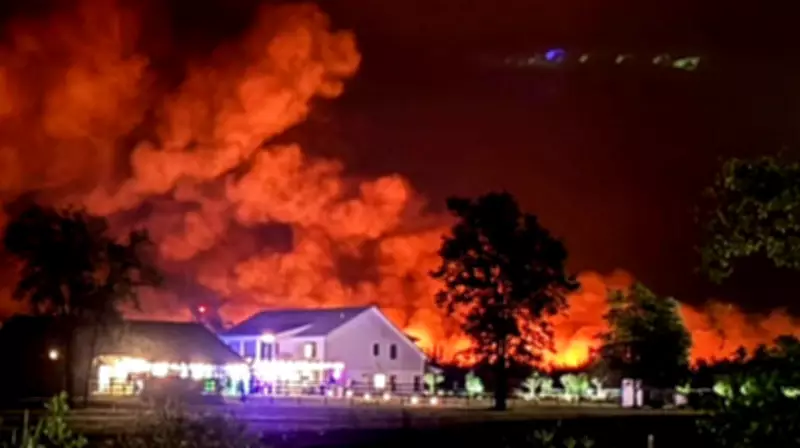
Georgia's two largest wildfires have collectively burned over 31 square miles, with at least four smaller fires also reported. The fast-moving Brantley County fire, which grew sixfold in just half a day on Tuesday, is threatening approximately 1,000 homes after destroying almost 50 the previous day. County Manager Joey Cason described scenes of fires erupting "in the backyard and people taking off in the front yard." Fortunately, no major injuries have been reported so far.
Brantley County, located between Georgia's coastal beaches and the Okefenokee Swamp, features livestock and fruit farms alongside dense pine forests cultivated for timber. Firefighters are working to establish fire breaks to protect populated areas, but gusting winds pose a significant risk by spreading embers. Authorities emphasize that rain is urgently needed, as the affected region is classified under exceptional or extreme drought levels by the U.S. Drought Monitor.
"If you could start praying for that right now, we'd be grateful," Cason appealed. Seth Hawkins, a spokesperson for the Georgia Forestry Commission, noted that pine and hardwood forests, along with dried swampy lowlands filled with leaves and debris, are "super flammable" and fueling the fires.
Evacuations Expand as State of Emergency Declared
Georgia Governor Brian Kemp has declared a state of emergency for more than half of the state's counties. On Wednesday afternoon, additional evacuations were ordered in Brantley County, supplementing the 800 already displaced. A separate large fire in nearby Clinch County has also prompted evacuations.
Mike Reardon and his wife, Liz, hastily packed family photos, their dog Molly Rose, and new e-bikes before leaving their Brantley County home. The fire was about a mile away, and a shift in wind could bring flames "in our backyard in a matter of minutes," Mike said. The couple built their home just two years ago on land purchased by Liz's father. "It's more than our house. It's land that my dad bought years ago," Liz said, fighting back tears. "It's the most beautiful place in the world to me."
Florida Faces Decades-Worst Wildfire Season
In Florida, firefighters are combating 131 wildfires that have burned 34 square miles (88 square kilometers), primarily in the northern part of the state. Florida Commissioner of Agriculture Wilton Simpson stated, "Florida has got one of the worst fire seasons in maybe the last 30 or 40 years or it's turning out to be that way. We've been in drought for 18 months now all across the state." A wildfire even disrupted Amtrak train service in northeast Florida earlier this week, though service has since resumed.

Smoke and Air Quality Concerns Spread
The National Weather Service warns that low humidity and breezy winds will keep fire danger elevated through Friday. Smoke from the wildfires has drifted into major cities like Atlanta, Savannah, and Jacksonville, degrading air quality to unhealthy levels in parts of south Georgia. The Atlanta-Fulton County Emergency Management Agency expects smoky conditions to linger in the Atlanta area, despite the worst fires burning over 200 miles (322 kilometers) southeast of the city.
As the region grapples with this crisis, the combination of historic drought, wind-driven flames, and widespread evacuations underscores the escalating threat of wildfires in the southeastern U.S.