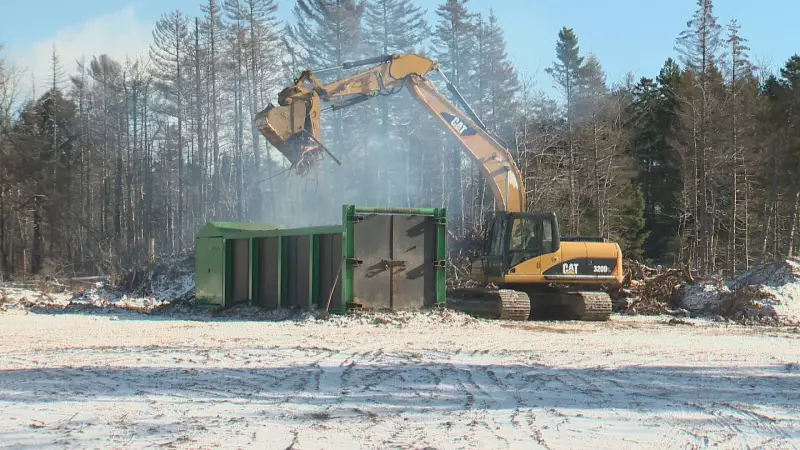
As Canada faces increasingly severe wildfire seasons, a Nova Scotia-based company is deploying innovative technology on the front lines of prevention. BioBurn Pros Inc. is utilizing a specialized piece of equipment known as an air curtain burner to significantly reduce the dangerous buildup of forest debris that fuels catastrophic blazes.
The Technology Behind the Solution
The core of BioBurn Pros' operation is the air curtain burner, a system designed for high-efficiency, low-emission incineration. This technology works by forcing a high-velocity curtain of air over an open pit or containment unit where woody debris is burned. The air curtain creates a contained, high-temperature environment that ensures nearly complete combustion of the material.
The key advantage is speed and volume. Traditional pile burning or chipping methods can be slow and labour-intensive. The air curtain burner allows the company to safely incinerate large quantities of slash, deadfall, and other hazardous forest fuels in a remarkably short period. This rapid removal is critical for creating effective firebreaks and managing fuel loads in vulnerable areas before the peak fire season arrives.

A Proactive Approach to a Growing Threat
The work of companies like BioBurn Pros represents a shift towards proactive forest management. Instead of solely reacting to emergencies, the focus is on mitigating risk before a fire ever starts. By systematically removing the dry, combustible material that acts as kindling for wildfires, the company helps lower the intensity and spread potential of future fires.
This service is particularly valuable for municipalities, forestry companies, and private landowners who are responsible for managing large tracts of forested land. The technology offers a controlled and efficient method to handle land-clearing waste and maintenance debris that would otherwise pose a long-term fire hazard.
Implications for Nova Scotia and Beyond
While the company operates in Nova Scotia, the application of this technology has national relevance. The devastating wildfire seasons witnessed across Canada in recent years have underscored the urgent need for effective fuel management strategies. Solutions that can process biomass quickly and cleanly are becoming essential tools in the national wildfire prevention toolkit.
The adoption of air curtain burner technology aligns with broader efforts to build more resilient forests and communities. By turning a major problem—accumulated woody waste—into a managed process, it addresses both safety and environmental concerns. As climate change contributes to hotter, drier conditions, such innovative approaches to forest management will likely play an increasingly vital role in protecting Canadian ecosystems and infrastructure from fire.