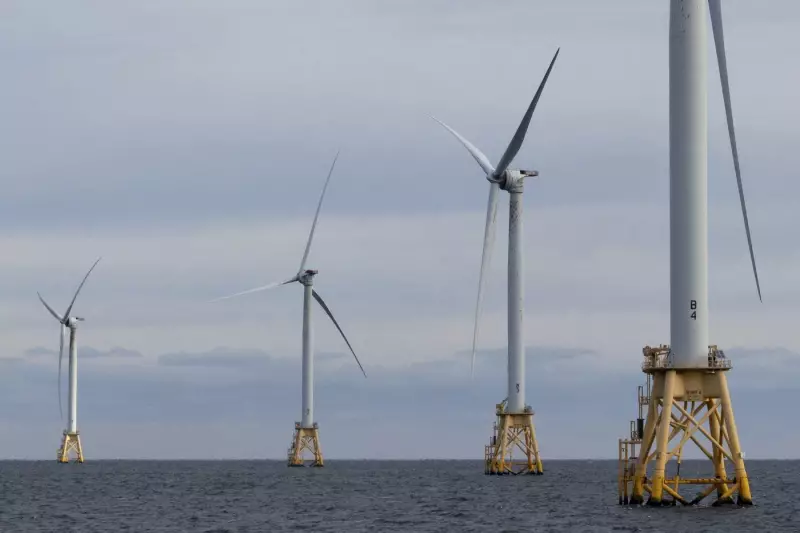
The regulator responsible for Nova Scotia's offshore resources is taking a significant step towards a potential future in wind energy. The Canada-Nova Scotia Offshore Petroleum Board (CNSOPB) has announced it is looking to commission a study to identify areas within its jurisdiction that might be suitable for offshore wind development.
Mapping the Path for Offshore Wind
This move represents a pivotal shift for the board, traditionally focused on oil and gas. The planned study aims to systematically evaluate the province's offshore regions to pinpoint locations with the best potential for wind energy projects. The analysis will consider a range of critical factors, including wind resource quality, water depth, seabed conditions, and proximity to existing electrical infrastructure. The goal is to create a foundational knowledge base that can inform future decisions and attract investment in the renewable sector.
A Strategic Move for Nova Scotia's Energy Future
The initiative underscores Nova Scotia's broader commitment to transitioning its energy mix and reducing reliance on fossil fuels. By proactively studying its offshore wind potential, the province is positioning itself to compete in the burgeoning North American market for clean energy. The findings of this study could pave the way for future leasing rounds and project proposals, potentially creating new jobs in manufacturing, marine services, and green technology. This strategic assessment is seen as a necessary precursor to any formal regulatory framework or call for bids for offshore wind development in Nova Scotian waters.

What Comes Next After the Study?
While the announcement, made on January 2, 2026, signals intent, the process from study to operational wind farm is a long one. Following the completion of the site identification study, the CNSOPB and the provincial and federal governments would need to collaborate on establishing a regulatory regime specifically tailored for offshore wind. This would include environmental assessment protocols, safety standards, and benefit-sharing agreements, particularly with Indigenous and coastal communities. The move by the regulator is widely interpreted as a response to both climate imperatives and economic opportunity, aligning with federal ambitions to grow Canada's offshore wind capacity.
The decision to explore wind energy sites reflects a growing trend where traditional petroleum boards are adapting their mandates to include renewable resources. For Nova Scotia, with its extensive coastline and strong wind resources, this study could mark the beginning of a new chapter in its energy history, moving from offshore petroleum to harnessing the power of the wind above the waves.