Historic Funding Powers Nova Scotia's First Solar Arena
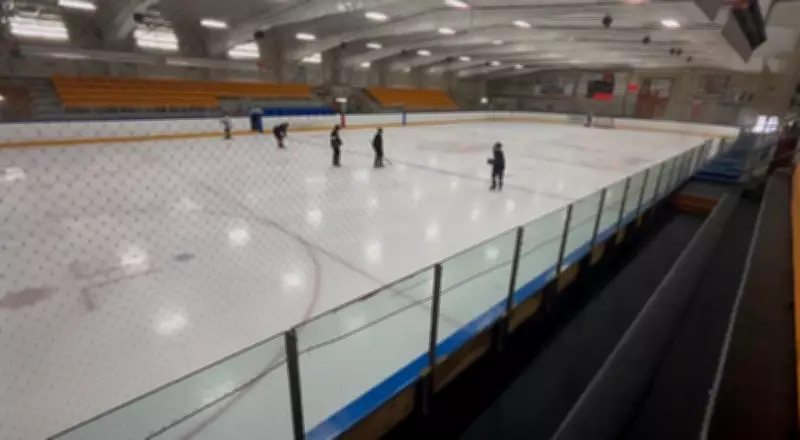
A landmark project in Nova Scotia is set to transform a community ice rink into the province's first solar-powered arena, thanks to a significant federal investment. The facility has received $1.3 million in funding dedicated to installing solar panels and implementing renewable energy systems, marking a major step forward in sustainable sports infrastructure.
A Green Future for Community Recreation
The conversion to solar power represents more than just an energy upgrade—it's a commitment to environmental stewardship and long-term operational savings. Community arenas are typically energy-intensive facilities, with substantial electricity demands for ice maintenance, lighting, and heating. By harnessing solar energy, this arena will significantly reduce its carbon footprint while serving as a model for other recreational facilities across Atlantic Canada.
The $1.3 million investment will cover the installation of photovoltaic panels, energy storage systems, and necessary infrastructure upgrades. This transition is expected to dramatically lower the arena's operating costs, allowing more resources to be directed toward community programming and facility improvements rather than utility bills.

Broader Implications for Sustainable Sports
This project arrives at a time when municipalities across Canada are increasingly looking toward renewable energy solutions for public facilities. The success of Nova Scotia's first solar-powered arena could inspire similar initiatives nationwide, particularly in provinces with ambitious climate targets. The initiative demonstrates how traditional community spaces can be reimagined through green technology.
Beyond the environmental benefits, the project also highlights the growing intersection between federal climate initiatives and local community infrastructure. As Canada works toward its net-zero emissions goals, investments like this $1.3 million grant show how national policies can translate into tangible improvements at the community level.
The solar-powered arena will continue to serve as a hub for local hockey, skating, and community events while operating with cleaner energy. This dual focus on maintaining traditional community functions while embracing innovative technology represents a forward-thinking approach to public facility management that other municipalities may soon follow.