Urban Avian Tenant: Canada Goose Maintains Nesting Site on Downtown Calgary Condo Balcony
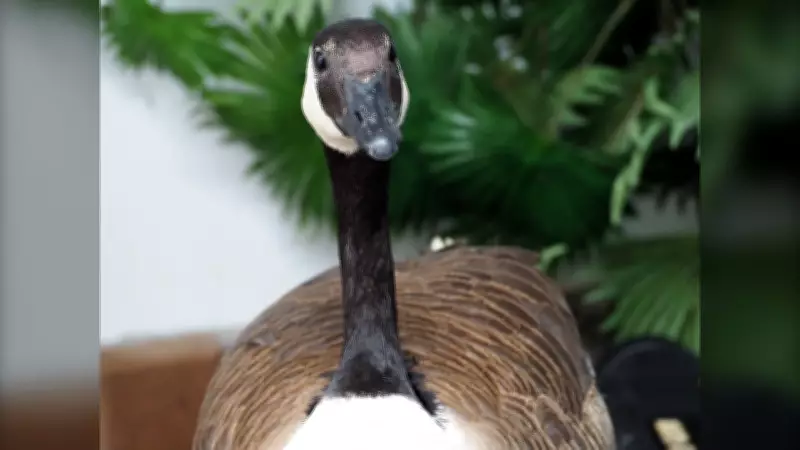
In an unusual display of urban wildlife adaptation, a Canada goose has stubbornly maintained its nesting position on a condominium balcony in the heart of downtown Calgary, creating a remarkable intersection of nature and city living that continues to capture attention. The persistent avian resident has transformed a private residential space into an unexpected wildlife habitat, demonstrating nature's remarkable ability to adapt to urban environments.
An Unconventional Urban Perch
The Canada goose, a species typically associated with parks, ponds, and open fields, has selected a high-rise balcony as its nesting ground, defying conventional expectations about where these birds establish their breeding sites. This particular balcony, situated among Calgary's towering downtown structures, provides the goose with an elevated vantage point that would normally be reserved for human residents enjoying city views.
The nesting site has remained active and undisturbed, with the goose showing no signs of abandoning its unusual urban territory. This persistence highlights the bird's adaptability and determination, characteristics that have made Canada geese successful in various environments across North America.

Urban Wildlife Coexistence Challenges
The situation presents unique considerations for both wildlife management and urban living:
- Safety concerns for both the nesting goose and building residents
- Potential impacts on building maintenance and access
- Questions about appropriate intervention in urban wildlife situations
- The balance between protecting wildlife and maintaining urban infrastructure
Canada geese are protected under the Migratory Birds Convention Act, which means their nests and eggs cannot be disturbed without proper authorization. This legal protection adds complexity to situations where geese establish nests in unconventional urban locations.
Calgary's Urban Ecosystem
Calgary's position along migratory bird routes and its extensive park system along the Bow and Elbow Rivers has long made it a haven for various bird species. However, the appearance of nesting geese on downtown balconies represents a new dimension of urban wildlife interaction.
This incident underscores the ongoing adaptation of wildlife to urban environments as cities expand and natural habitats become increasingly fragmented. Similar situations have occurred in other Canadian cities, but each presents unique challenges based on specific urban layouts and wildlife populations.
Broader Implications for Urban Planning
The persistent goose nest raises important questions about how cities can better accommodate wildlife while maintaining functional urban spaces. Some considerations include:
- Designing buildings with wildlife-friendly features that discourage nesting in problematic areas
- Developing clear protocols for managing wildlife in dense urban settings
- Educating residents about coexisting with urban wildlife
- Creating alternative habitats that might attract wildlife away from residential areas
As urban areas continue to expand, encounters between wildlife and human residents are likely to increase, making thoughtful approaches to urban wildlife management increasingly important.
The Canada goose on the Calgary condo balcony serves as a living example of nature's resilience and adaptability, even in the most developed urban environments. Its continued presence reminds residents that cities are not separate from the natural world but rather complex ecosystems where human and animal lives increasingly intersect.