




Residents and advocates in Montreal are expressing feelings of betrayal after discovering that the city's ambitious plan to create a major nature park at the Falaise St-Jacques has been significantly delayed. The city's updated capital works program shows a drastic reduction in funding allocated for the project over the next four years, despite assurances from officials that the overall budget remains intact.
A Promise Deferred: Funding Slashed for Next Four Years
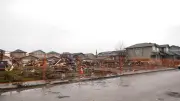
The long-envisioned project aims to transform the former Turcot Yards and the adjacent escarpment, known as the Falaise St-Jacques, into a sprawling 60-hectare nature park. A key feature of the long-term plan includes a pedestrian and cyclist bridge connecting the Notre-Dame-de-Grâce (N.D.G.) and Sud-Ouest boroughs.
In the 2025-2034 capital works program established under the previous Projet Montréal administration led by Valérie Plante, the city had budgeted nearly $63 million over ten years for the park's development. The project received a significant boost last year with a confirmed $25 million in federal funding and a detailed 75-page development plan.
However, the newly tabled 10-year capital works program under the current Ensemble Montréal administration reveals a stark shift in the project's immediate timeline. While the total $63 million commitment over the decade remains unchanged, the funding scheduled for the next four years—coinciding with the current municipal mandate—has been cut by more than 90 percent.
For example, the budget for 2026 has plummeted from approximately $1.23 million to just $150,000. Similarly, the 2029 allocation has dropped from $9.6 million to $150,000.
Residents and Officials React to the Delay
Carole Beaulieu, a 72-year-old resident, attended a city council meeting in mid-December 2025 to seek confirmation that the project was still proceeding. She was assured by Gabrielle Rousseau-Bélanger, the executive committee member responsible for the environment, that it was on track and funding would be detailed in the upcoming capital program.
"I feel really betrayed," Beaulieu stated this week. "I'm sure while they were talking to me, they already had plans to do this, but weren't willing to say so."
Peter McQueen, the Projet Montréal city councillor for N.D.G., criticized the move, stating it effectively shelves the project for the current term. "It's practically like you're saying we're just putting it off and it's uncertain," McQueen said. He expressed concern about how the delay could impact crucial federal and provincial funding partnerships and highlighted the community's keen desire for the green space.
Lisa Mintz, founder of the Sauvons la falaise conservation group, shared her profound disappointment. After over a decade of advocacy, she believed the project was finally advancing. "I feel like somebody told me a very nice story, and I wanted to believe it, but it turned out not to be true," she said. Mintz fears the new administration no longer considers the park a priority, but vowed to continue fighting for it.
City Cites Land Acquisition as Cause for Postponement
During public hearings on the budget, city officials defended the revised schedule. Representatives from the large parks department explained that the funding was spread "over a longer period" because the city is still finalizing an agreement with Quebec's transport department, which owns a portion of the necessary land.
The city is now operating under the assumption that this land transaction will not be completed until 2030, hence the decision to defer the bulk of the investment until after that date.
In a statement to the Montreal Gazette, Rousseau-Bélanger reiterated that the total $63 million commitment over ten years stands. "This is therefore not a budget reduction but rather a postponement of the planned investments, which remain unchanged, since we cannot invest in a project located on land that does not belong to the city," she wrote.
She added that essential preparatory work, including planning activities, required studies, and ecological audits on the escarpment, will continue as scheduled during this interim period.
Despite the city's explanation, the delay represents another setback for residents of central neighbourhoods who have long awaited improved access to this significant natural corridor within the urban landscape.