Metro Vancouver's Ambitious Plan to Transform Waste Management
Metro Vancouver has established itself as a leader in waste diversion across North America, currently redirecting an impressive 65 percent of all waste materials away from landfills through comprehensive recycling programs. However, regional officials are not resting on their laurels. A newly drafted solid waste management plan outlines an ambitious target: increasing that diversion rate to 80 percent over the coming years, effectively making landfills a true "last resort" for waste disposal.
The Current State of Waste Diversion
According to recent reports presented to Metro Vancouver's zero waste committee, the region's diversion rate appears to have plateaued at 65 percent in 2024, with only marginal improvements since 2018. Despite this stagnation in percentage terms, significant progress has been made in reducing overall waste generation. The amount of waste produced per person in the region has decreased by nearly a quarter, dropping from 0.57 tonnes per capita in 2011 to 0.43 tonnes per capita in 2024.
Terry Fulton, a senior engineer with Metro Vancouver, acknowledges both the achievements and challenges. "Although Metro has one of the best rates in North America, there remains room for improvement," he stated. "As we go on, it gets harder and harder to get things out of the waste stream."

Industry Challenges and Infrastructure Gaps
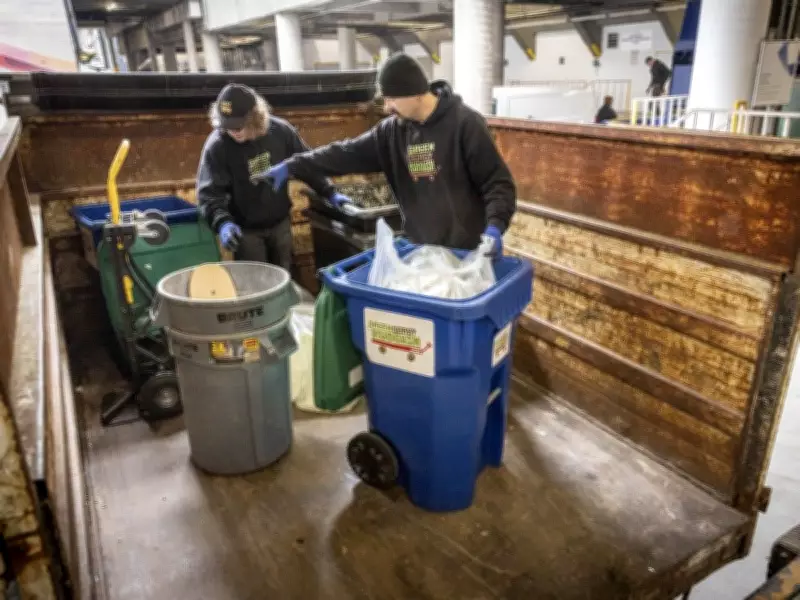
Eamonn Duignan, owner of Green Coast Rubbish, provides valuable insight from the front lines of waste management. His company has successfully diverted 4,200 metric tonnes of waste from landfills since 2010, achieving recycling rates between 75 and 85 percent for collected materials. However, Duignan identifies significant "gaps" in the region's recycling infrastructure that hinder further progress.
"There is a lack of infrastructure for recycling some materials," Duignan explained. "This is an industry that works in the shadows. It's really out of sight, out of mind." He notes that difficult-to-recycle items like old sofas and certain types of glass that require transportation outside the region to facilities in Abbotsford present particular challenges for waste management companies.
The Path Forward: Metro Vancouver's Strategic Plan
The draft solid waste management plan, currently open for public comment, outlines dozens of specific actions designed to move the region toward its 80 percent diversion goal. The plan acknowledges that future gains will be more difficult to achieve than past improvements, particularly since Metro Vancouver already has successful programs in place for diverting some of the heaviest materials, including an organics ban.
Key challenges identified in the plan include:
- Lightweight materials like plastics that require substantial effort to remove but contribute minimally to weight reduction metrics
- Materials like wood that have become increasingly difficult to recycle in recent years
- Compostable organics that remain the largest component of the waste stream despite significant reductions in food scraps and yard waste
Sector-Specific Strategies for Improvement
The regional plan targets various sectors where progress can be made, including:
- Increasing pilot projects to enhance organic recycling in commercial and institutional settings
- Updating, testing, and sharing technical specifications for multi-family residential waste and recycling container spaces to support expanded recycling capacity
- Developing new approaches for materials that currently lack adequate recycling infrastructure
Metro Vancouver's ultimate goal extends beyond mere percentage improvements. The region aims to reduce the total amount of waste sent to landfills by half over the next 25 years, representing a comprehensive transformation of how the metropolitan area manages its waste stream. This ambitious vision requires addressing both the technical challenges of recycling difficult materials and the systemic issues of infrastructure development across the waste management sector.