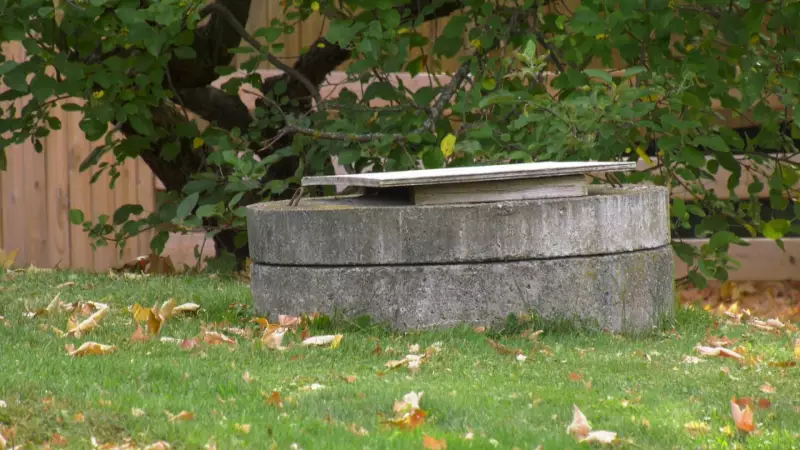
Residents across Cape Breton Regional Municipality are facing an ongoing water crisis as nearly 200 wells remain dry despite recent rainfall in the region. The persistent water shortage continues to impact households and communities, highlighting deeper groundwater issues that surface precipitation cannot immediately resolve.
Rainfall Fails to Replenish Depleted Aquifers
While recent rainfall provided some relief to surface conditions, municipal officials confirm that approximately 200 wells are still completely dry throughout the Cape Breton Regional Municipality. The situation demonstrates that short-term weather patterns cannot quickly reverse the underlying groundwater depletion affecting the area.
The dry well crisis has been developing over an extended period, with many residents relying on temporary water solutions and municipal support services. The lack of sufficient groundwater recharge means that even measurable rainfall fails to translate into functional well water for affected homeowners.

Community Impact and Response Efforts
The widespread dry well situation has created significant challenges for rural residents who depend on well water for their daily needs. Families are facing ongoing water shortages that affect drinking water, sanitation, and basic household operations.
Municipal authorities continue to monitor the situation and provide support where possible, but the scale of the problem requires more comprehensive solutions. The persistence of dry wells despite precipitation events suggests that deeper hydrological issues may be at play, potentially related to changing climate patterns and groundwater table fluctuations.
Long-term Water Security Concerns
The ongoing dry well situation in Cape Breton raises important questions about long-term water security in the region. As nearly 200 households continue without reliable water access, community leaders and environmental experts are examining broader patterns that may contribute to the groundwater challenges.
Residents affected by the dry wells are encouraged to report their situation to municipal authorities and explore both short-term mitigation strategies and long-term adaptation approaches to ensure water security in their communities.