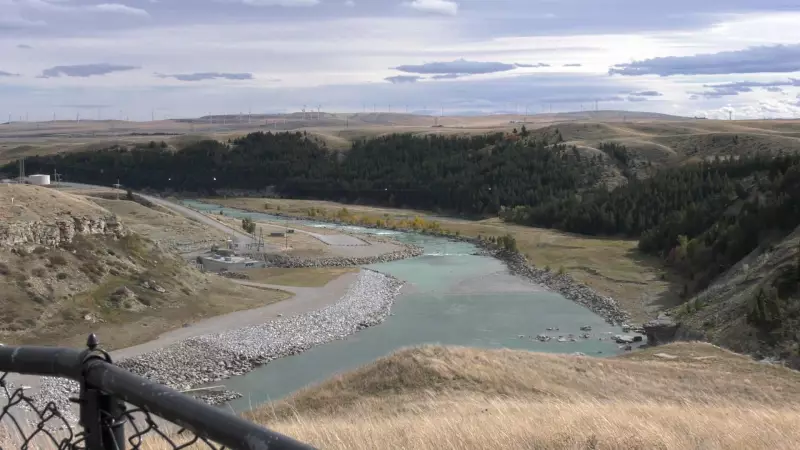
Reservoir levels across Southern Alberta are holding steady but sitting slightly below seasonal averages following an unusually dry and warm autumn season, according to recent water monitoring data.
Current Water Conditions
Despite minimal precipitation throughout the fall months, water storage facilities throughout the region have maintained stable levels, though they haven't reached their typical capacity for this time of year. The consistent dry pattern combined with warmer-than-average temperatures has created conditions where evaporation rates remain elevated while natural replenishment from rainfall and snowmelt remains limited.
The situation reflects broader climate trends affecting water management strategies across the prairie region. Water authorities continue to monitor conditions closely as the province transitions into winter, when snowpack accumulation will become critical for spring runoff and reservoir recovery.

Regional Impact and Monitoring
Southern Alberta's reservoir system serves multiple purposes, including agricultural irrigation, municipal water supply, and environmental flow maintenance. The slightly below-average levels haven't yet triggered water restrictions, but officials emphasize the importance of continued conservation efforts among all water users.
Meteorological data indicates that the dry pattern persisted through much of the fall season, with precipitation measurements well below historical averages across most of Southern Alberta. This extends a pattern of variable water conditions that has challenged water managers in recent years.
Looking Ahead to Winter
Water resource professionals are now turning their attention to winter precipitation patterns. The coming months' snowfall will be crucial for determining water availability heading into the 2026 growing season. Adequate snowpack in mountain headwaters typically provides the primary source of replenishment for Southern Alberta's reservoir systems during spring melt.
While current reservoir levels don't represent a crisis situation, the below-average readings serve as a reminder of the region's vulnerability to climate variability and the importance of proactive water management strategies in an increasingly unpredictable climate environment.