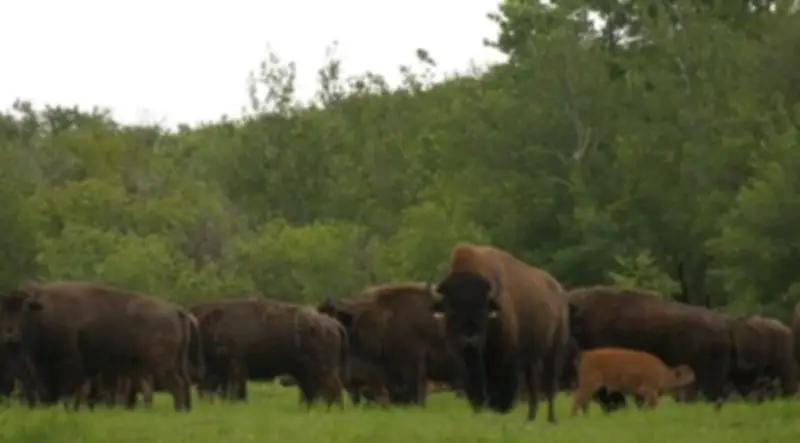
A new generation of bison has arrived at Batoche, Saskatchewan, marking a significant milestone in the restoration of the species to the Métis homeland. The introduction of these animals is part of a broader effort to revive cultural traditions and ecological balance in the region.
Historic Return to Batoche
The bison, known as buffalo to many Indigenous peoples, were once central to the Métis way of life, providing food, clothing, and tools. Their near-extinction in the 19th century devastated communities. Now, a small herd has been relocated to Batoche, the site of the 1885 Northwest Resistance and a symbol of Métis resilience.
According to organizers, the project aims to reconnect Métis youth with their heritage and promote land stewardship. The bison will roam a fenced area, with plans to expand their range over time. Local elders and community leaders participated in a ceremony to welcome the animals.

Cultural and Ecological Significance
Bison are considered a keystone species, shaping prairie ecosystems through grazing and soil disturbance. Their return is expected to benefit native plants and wildlife. The project also supports food sovereignty, as bison meat is lean and nutritious.
“We are bringing back a piece of our identity,” said a Métis elder involved in the initiative. “The buffalo sustained our ancestors, and now they will teach our children about responsibility and respect for the land.”
Community-Led Conservation
The reintroduction is led by the Batoche Bison Project, a collaboration between Métis organizations, conservation groups, and government agencies. Funding comes from federal and provincial sources, as well as private donations. The project includes educational programs for schools and visitors.
“This is not just about animals; it is about healing and reconciliation,” said a project coordinator. “By restoring bison, we are restoring a part of ourselves.”
The herd currently numbers a dozen animals, with plans to grow to 50 within five years. The bison are monitored by wildlife biologists and community members, ensuring their health and safety.