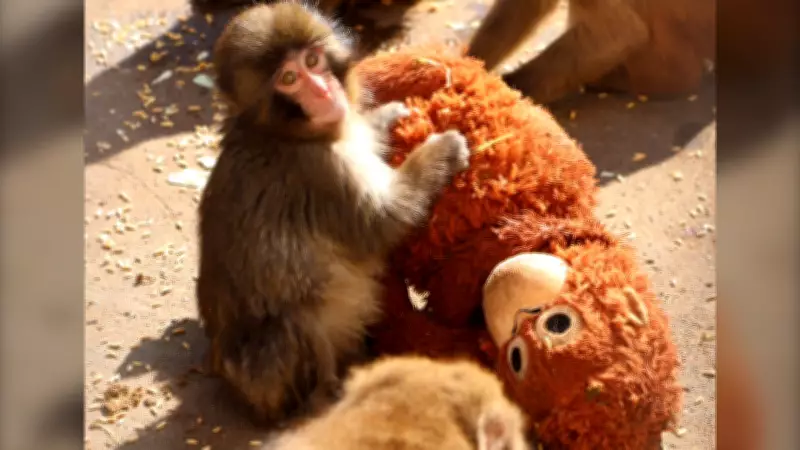
Animal Rights Organization Criticizes Handling of Internet-Famous Japanese Primate
A leading international animal rights group has released a strongly worded report condemning the treatment of a Japanese monkey that recently gained viral fame online. The organization alleges that the primate's sudden celebrity status has led to inadequate welfare conditions and exploitation, sparking broader concerns about how viral animal sensations are managed globally.
Details of the Controversial Case
The report focuses specifically on a Japanese macaque that became an internet sensation due to its unusually human-like behaviors and expressions captured in widely shared videos. According to the rights group, the monkey's rapid rise to fame resulted in increased public attention that compromised its natural habitat and daily routines. Investigators documented instances where the animal appeared stressed by constant human interaction and media scrutiny.
The organization claims that local authorities failed to implement proper protections despite the primate's growing popularity. "This case represents a troubling trend where animal welfare becomes secondary to online entertainment," stated a spokesperson from the rights group. "We're seeing increased instances where viral animal content leads to real-world harm for the creatures involved."

Broader Implications for Viral Animal Content
The report extends beyond this specific case to examine the wider phenomenon of animals gaining sudden internet fame. Researchers identified several concerning patterns:
- Increased stress behaviors in animals subjected to constant filming and photography
- Disruption of natural feeding and social patterns
- Inadequate veterinary oversight for viral animal subjects
- Commercial exploitation without proper animal welfare considerations
The rights group is calling for international guidelines governing the treatment of animals that achieve viral status online. They recommend establishing protocols for monitoring animal welfare, limiting human interaction, and ensuring proper veterinary care for creatures that become internet sensations.
Response from Japanese Authorities
Japanese wildlife officials have acknowledged receiving the report but have not yet issued a formal response. Previous statements from local authorities suggested they were monitoring the situation but believed the monkey was adapting well to increased attention. The rights group disputes this assessment, citing behavioral evidence collected over several months of observation.
The controversy comes amid growing global awareness about animal welfare in entertainment and media. Recent years have seen increased scrutiny of how animals are treated in film production, tourism attractions, and now viral internet content. Animal behavior experts consulted for the report noted that primates are particularly vulnerable to stress from human interaction due to their complex social structures and intelligence.
The rights organization plans to present its findings to international wildlife protection agencies and is urging social media platforms to develop policies regarding viral animal content. They argue that without proper safeguards, the internet's appetite for adorable animal videos could inadvertently cause harm to the very creatures that bring joy to millions online.