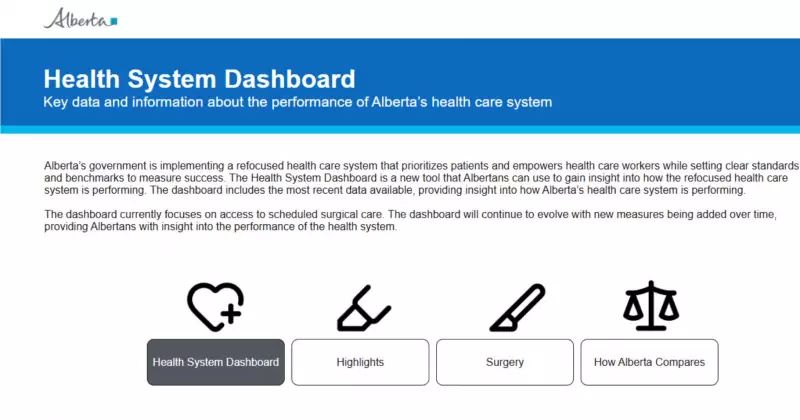
The Alberta government has taken a significant step towards greater transparency in its health-care system with the launch of a new public performance dashboard. This online tool, announced on January 16, 2026, provides residents with detailed, up-to-date information on how health services are functioning across the province.
What the Dashboard Reveals
The newly launched platform aggregates key performance indicators from health systems province-wide. It is designed to offer a clear, data-driven snapshot of various metrics, allowing the public to monitor the efficiency and accessibility of care in their own communities and beyond. The dashboard's release aligns with the government's stated commitment to improving accountability within the health sector.
By making this information readily available, officials aim to foster a better public understanding of system pressures, successes, and areas requiring improvement. The data is presented in an accessible format, intended for use by patients, caregivers, and health-care advocates alike.

A Move for Transparency and Accountability
The introduction of this dashboard represents a modern approach to public health administration. In an era where data drives decision-making, providing this level of insight to citizens is seen as a crucial part of building trust and engaging the community on health-care matters.
The dashboard launch on January 16, 2026, positions Alberta as one of the provinces actively working to demystify health system performance for its residents. This initiative allows for tracking trends over time, potentially highlighting the impact of policy changes or investments in specific areas of care.
Implications for Patients and Policy
For Albertans, the dashboard serves as a new resource to understand wait times, service availability, and other critical factors that affect their care journey. It empowers individuals with information that was previously difficult to compile or access in a centralized location.
From a policy perspective, the public availability of this data creates an additional layer of accountability for health authorities and the government. It sets a benchmark for performance and opens the door for more informed public discourse on the future of health-care delivery in Alberta. The success of this tool will likely be measured by its use in guiding constructive conversations and tangible improvements in the system.