Mystery Patient Receives Gender-Affirming Treatment at Toronto Mental Health Facility
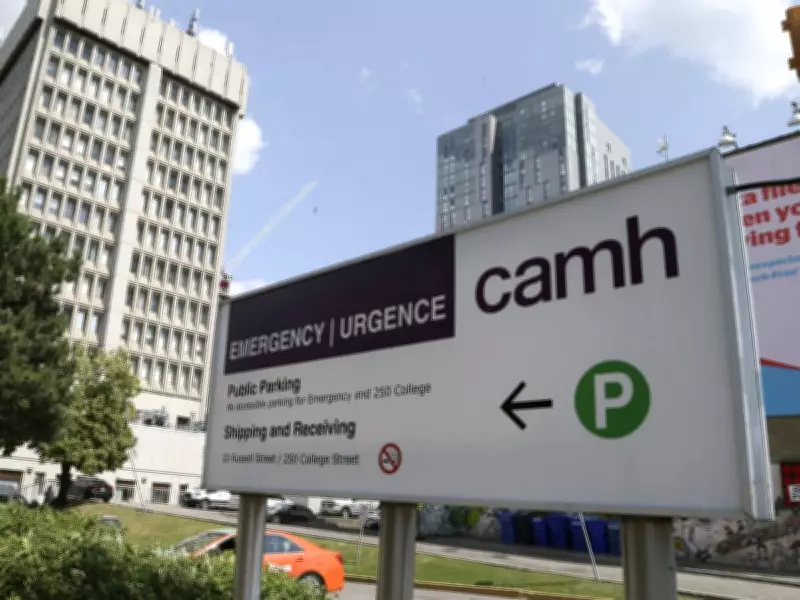
A male inpatient with an unknown identity and uncertain citizenship status is currently housed in the Women's General Forensic Unit at Toronto's Centre for Addiction and Mental Health (CAMH). This individual, who identifies as transgender, is receiving hormone treatments despite significant gaps in their personal history and medical documentation.
Violent Incidents Lead to Forensic Detention
The patient, known as "Camilla Shapiro," was admitted to CAMH after being found not criminally responsible for multiple assaults in September 2024. The incidents included slapping someone outside the Eaton Centre with sufficient force to knock them to the ground, and shoving another homeless person's face into the ground, resulting in tooth loss during a retaliatory altercation.
Complete Lack of Personal History
Medical authorities face substantial challenges in treating this patient due to an almost complete absence of reliable personal information. There are no verifiable records regarding Shapiro's parents, siblings, childhood, nationality, birthdate, or any other identifying details that might establish their true identity.

Canadian medical records only date back to an emergency room visit in 2021, which marked the beginning of numerous subsequent healthcare encounters. Shapiro claims to be from Indiana and to have received psychiatric care there, but failed to authorize the release of those medical records in time for hearings before Ontario's mental health review board earlier this year.
Questionable Citizenship Status and Narrative Reliability
According to a March 10 decision that rejected the patient's release, Shapiro demonstrates ambivalence about obtaining personal identification documents to pursue immigration status in Canada. The review board noted that Shapiro "is not a reliable narrator," casting further doubt on the patient's background claims.
The hospital's reports describe Shapiro's stories as "spectacular and grandiose," including claims of having escaped from a cult. Shapiro maintains beliefs about being kidnapped as an infant and undergoing surgical procedures at approximately two years old, including what they describe as a penis implantation surgery. Medical records confirm Shapiro is biologically male.
Diagnostic Challenges and Treatment Decisions
Medical professionals have identified potential diagnoses of schizophrenia and borderline personality disorder, noting that Shapiro experiences delusions about having a uterus and insists this was confirmed through pelvic ultrasound examinations.
Despite these significant diagnostic uncertainties and the patient's detachment from reality, CAMH has reported to the Ontario Review Board that Shapiro is receiving estrogen for gender-affirmation purposes. However, medical staff have drawn the line at surgical interventions, indicating boundaries in their treatment approach.
Broader Implications for Forensic Mental Health Care
This case highlights complex challenges facing mental health institutions:
- Balancing patient autonomy with clinical responsibility
- Managing gender-affirming care for patients with severe mental illness
- Navigating treatment decisions when patient history is unavailable
- Addressing forensic patients in gender-specific units
- Coordinating care across international jurisdictions
The situation raises questions about how mental health facilities handle cases involving patients with unknown identities, uncertain citizenship status, and complex treatment needs within forensic settings.