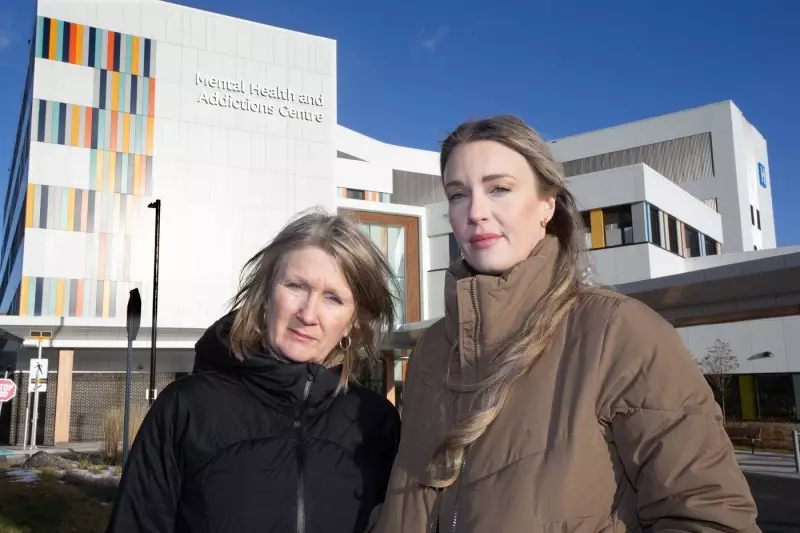
The family of a Newfoundland and Labrador man facing an attempted murder charge is speaking out, alleging that desperate calls for mental health assistance in the lead-up to the incident were met with silence from the system.
A Family's Pleas for Help
Trudy Hickey and Janaya Rose, the mother and sister of Michael Rose, have publicly shared their struggle to secure care for their loved one. They state that in the period before his arrest, they made multiple attempts to get him urgent mental health support but received no effective response. The family's experience highlights what they describe as critical gaps in the province's mental health and addictions services.
The situation culminated in Michael Rose being accused of attempted murder, a charge currently before the courts. The details of the alleged incident are part of the ongoing legal proceedings. The family posed for a photograph outside the Mental Health and Addictions Centre in St. John's on Thursday, December 18, 2025, a location symbolic of the system they say failed them.

Broader Context of Systemic Challenges
This case emerges amidst ongoing national conversations about the adequacy of mental health resources and the intersection of the healthcare and justice systems. Families across Canada often report similar challenges in accessing timely and effective crisis intervention for loved ones experiencing severe mental health episodes.
The public sharing of their story by Hickey and Rose is seen as an act of advocacy, aimed at preventing similar tragedies by pushing for systemic change. They hope their experience will prompt a review of crisis response protocols and the availability of immediate, actionable support for individuals and families in distress.
Seeking Accountability and Change
While the judicial process for the criminal charge will follow its course, the family is initiating a separate call for accountability regarding the healthcare system's response. Their core question remains: could this outcome have been prevented with proper intervention?
The case underscores the urgent need for coordinated care pathways and accessible crisis services in Newfoundland and Labrador, and indeed across the country. It raises difficult questions about how society supports vulnerable individuals before they reach a point of crisis with potentially severe legal and personal consequences.
As the community processes this story, the focus for many advocates is on transforming this personal tragedy into a catalyst for improving mental health support networks, ensuring that calls for help are answered with compassion and concrete action.