Tumbler Ridge Mental Health Crisis Exposed After Tragedy Amid Funding Gaps
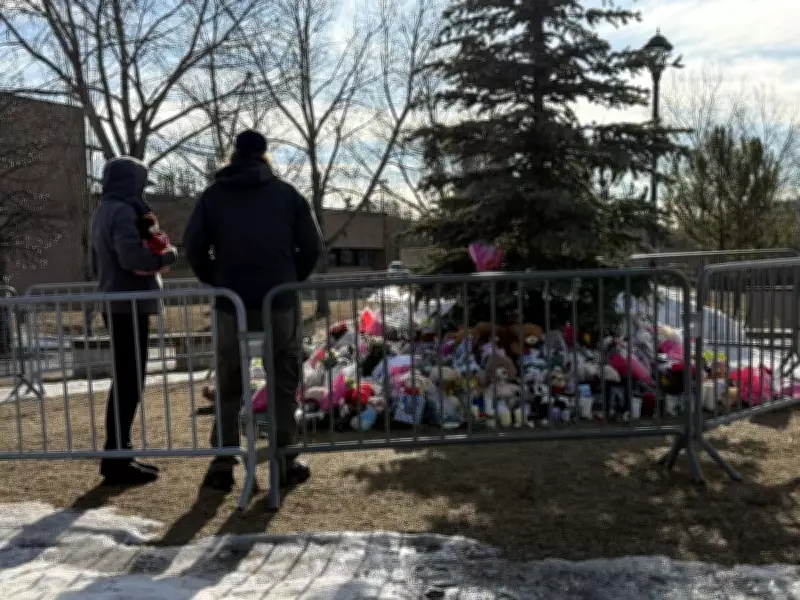
As Tumbler Ridge, British Columbia, grapples with the aftermath of a devastating shooting that claimed eight lives, including five students and a teacher, profound questions emerge about systemic failures in mental health and social services. The community, still mourning the loss inflicted by 18-year-old Jesse Van Rootselaar, faces a stark reality: persistent gaps in healthcare resources may have contributed to the tragedy.
Community Protests Highlight Inadequate Services
Despite repeated calls for enhanced mental health support, residents find themselves trapped in what they describe as a funding gap. In September 2025, when Northern Health announced reduced hours at the Community Health Centre—eliminating after-hours access—protests erupted. A month later, demonstrators returned with the rallying cry Northern Lives Matter, arguing that provincial pushes for virtual primary care and crisis lines fail to address emergencies requiring immediate, in-person intervention.
The critical first hour following a health crisis is often decisive for survival, yet Tumbler Ridge residents now face hour-long ambulance transports to Dawson Creek after 5 p.m., due to the absence of on-call physicians. This service degradation had tragic consequences in December 2025, when a resident died during transport, underscoring the domino effect of reduced healthcare availability.

Historical Context and Systemic Challenges
Founded in 1981 as an instant town to support coal mining, Tumbler Ridge has long endured boom-bust cycles that destabilize essential services. Policy churn—the frequent starting, stopping, and rebranding of programs—has left the community with dysfunctional or absent resources, compounding the burden on police agencies tasked with handling social and medical responses.
Van Rootselaar's case reveals warning signs that went unaddressed: she hadn't attended school in four years, documented hallucinogenic drug use on social media, and displayed a fascination with firearms and violence. RCMP responded to her family home multiple times for mental health and firearms-related incidents, once seizing weapons that were later returned after a court petition.
The Human Cost of Virtual Care Limitations
While the B.C. government promotes virtual services as a solution, residents argue these measures cannot replace urgent, hands-on care. The reduction in healthcare hours not only limits emergency access but also diminishes ambulance services, as without medical direction, patients cannot be efficiently routed to distant facilities.
This situation highlights a broader issue in northern communities, where geographic isolation exacerbates healthcare disparities. As Tumbler Ridge mourns, the call for sustainable, adequately funded mental health services grows louder, emphasizing that virtual tools alone cannot bridge the deep divides in rural healthcare access.