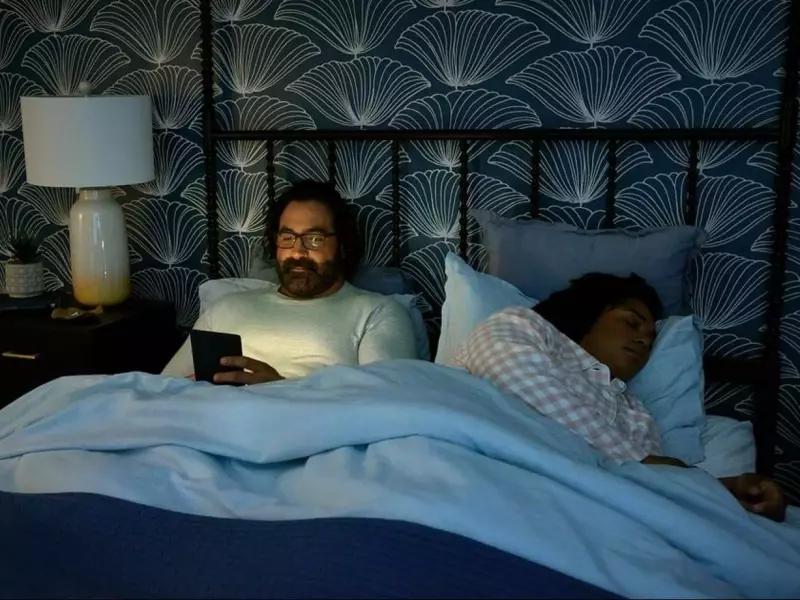
Do you crawl into bed feeling wide awake, only to drag yourself out of it hours later completely drained? If this sounds familiar, the culprit might be closer than you think—the glowing screen in your hand. According to a leading Canadian sleep specialist, our late-night technology habits are a primary reason many Canadians are not getting the restorative sleep they need.
The Science of Sleep Disruption
Andrew Holmes, a Registered Polysomnographic Technologist (RPSGT) based in Ottawa, emphasizes the critical need to disconnect from electronics well before bedtime. "The bedroom should be your sleep sanctuary, utilized for sleep, and perhaps intimacy, and nothing else," advises Holmes, who founded Sleep Efficiency Inc., a clinic offering take-home sleep tests.
The core of the problem lies in blue light emission. Devices like smartphones, tablets, and laptops emit this specific wavelength of light, which suppresses the body's natural production of melatonin. This hormone, produced by the brain's pineal gland, is essential for regulating the sleep-wake cycle. Blue light signals "daytime" to the brain, thereby delaying sleep onset and shifting our internal circadian clock.

While features like Apple's Night Shift can reduce blue light by shifting screens to warmer tones after dark, Holmes is clear: "It’s still better not to have any tech in bed." Even the ambient light from a television can decrease melatonin levels through closed eyelids.
Beyond Blue Light: Mental Stimulation and Anxiety
The harm of bedtime tech extends beyond mere light exposure. Digital distractions keep our minds actively engaged when they should be winding down. The temptation to scroll through social media, play "one more level" of a game, or check a late-night email ping prevents the brain from switching off.
This constant connectivity can also fuel negative emotions and FOMO (Fear of Missing Out). Reading distressing news or seeing active group chats can spike anxiety, further impacting sleep length and quality. Holmes suggests a simple but effective strategy for those who use their phone as an alarm: place it across the room. This forces you to get out of bed to turn it off, reducing the chance of hitting snooze, and keeps the device out of easy reach for nighttime temptation.
The Irony of Sleep-Tracking Tech
While devices like smartwatches and rings are popular for monitoring sleep patterns and potential issues like sleep apnea, they can backfire. Holmes points to a condition known as "orthosomnia," where individuals become obsessed with the data from their sleep trackers. The anxiety over achieving "perfect" sleep scores can ironically become a new barrier to falling and staying asleep.
Holistic Tips for a Better Night's Rest
Improving sleep isn't just about banning technology at night. Holmes states that "quality sleep... is all the things you do throughout the course of the day." He offers several key non-tech recommendations:
Morning Light and Exercise: Seek natural daylight as soon as you wake up to activate the brain's master clock, the suprachiasmatic nucleus. Regular physical exercise, like a brisk walk, is proven to promote deeper sleep stages.
Avoid Common Pitfalls:
- Limit caffeine and alcohol late in the day.
- Avoid heavy, spicy meals close to bedtime.
- Keep daytime naps under 30 minutes and not too late.
- Establish a calming wind-down routine, avoiding stressful conversations.
- Ensure your bedroom is cool, dark, and quiet.
For those who need audio to drift off, such as white noise or audiobooks, Holmes recommends using wireless earbuds or a small speaker—anything without an accessible screen. The goal is to reclaim the bedroom as a place for rest, separating ourselves from the digital world that keeps us perpetually alert, even when our bodies desperately need to recharge.