One in five U.S. adults aged 20 to 64 have at least one untreated cavity, according to the Centers for Disease Control and Prevention. While cost is a major barrier—13 percent of people avoid routine dental care due to expense, compared with 4 to 5 percent for other health services—dental fear also plays a role. Over 70 percent of people report some dental anxiety, with more than a quarter experiencing severe issues, leading about 30 percent of fearful individuals to skip treatment entirely.
Why Oral Health Matters for Your Whole Body
Oral health is linked to numerous systemic conditions, including depression, rheumatoid arthritis, asthma, type 2 diabetes, and dementia. A study of over 5,000 older adults found that worse oral health was associated with a higher risk of death from any cause over 15 years. While the exact mechanisms are unclear, hypotheses include inflammation from gum disease and cavities spreading through the bloodstream, or oral bacteria entering the bloodstream and affecting other organs.
Some connections are bidirectional. For example, poorly managed diabetes increases the risk of oral infections, while gum disease can make blood sugar control more difficult. Similarly, shared inflammatory pathways may link rheumatoid arthritis and gum disease. However, other factors like smoking or depression can confound these associations. People with depression are less likely to visit the dentist, more likely to smoke and consume sugar, and may take medications that reduce saliva, increasing cavity risk.

Practical Steps for Better Dental Health
Regular Dental Visits
Seeing your dentist regularly—even without symptoms—allows early detection of problems when treatment is simpler and more affordable. Depending on your individual health, one to two visits per year may suffice, but your dentist will recommend the appropriate frequency.
Affordable Care Options
If cost is a concern, explore low-cost clinics, dental schools, or community health centers. Some dentists offer payment plans or sliding-scale fees.
Daily Habits for Healthy Teeth and Gums
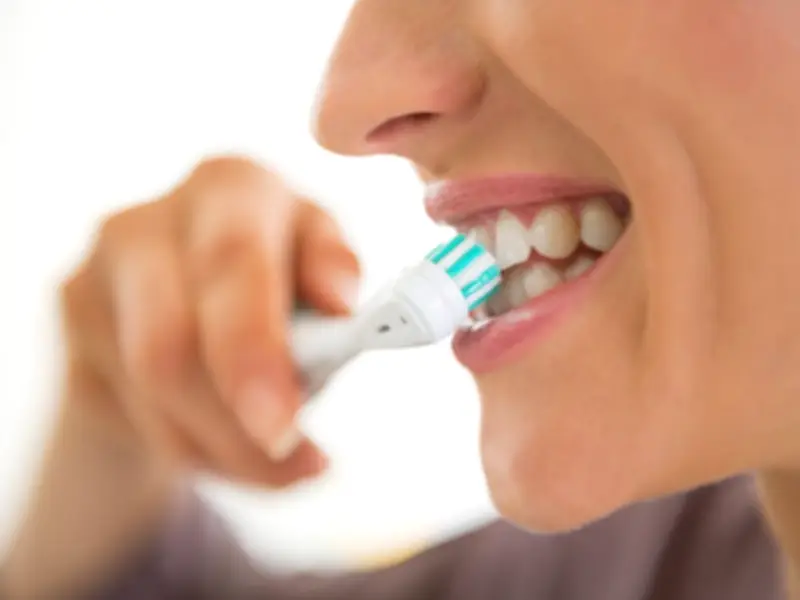
- Brush twice a day with fluoride toothpaste for two minutes each time.
- Floss daily to remove plaque between teeth.
- Use mouthwash with antibacterial properties to reduce bacteria.
- Drink water throughout the day, especially after meals, to wash away food particles and neutralize acids.
- Limit sugary snacks and drinks, which feed cavity-causing bacteria.
- Avoid tobacco in any form, as it increases risk of gum disease and oral cancer.
- Replace your toothbrush every three to four months, or sooner if bristles are frayed.
When to See a Dentist Immediately
Pain, bleeding gums, or swelling are signs that something is wrong. Ignoring a toothache can lead to infection spreading to deeper head and neck areas, potentially causing severe complications such as airway compromise or brain infection.
As Ada Cooper, spokesperson for the American Dental Association, emphasizes: “Your mouth is a window into the rest of your body. You just can’t be healthy without good oral hygiene and good oral health.”