British Columbia has officially terminated its landmark decriminalization pilot project for hard drugs, marking a significant policy reversal three years after its launch. Health Minister Josie Osborne announced the decision on Wednesday, stating the program had not worked as intended and that the province's focus is now squarely on expanding both voluntary and involuntary treatment options.
The Pilot's Demise and Government Rationale
The pilot project, which began on January 31, 2023 under a federal exemption from Health Canada, was set to expire on January 31 of this year. Minister Osborne confirmed the province will not seek a renewal. "Despite the hard work and good intentions behind the pilot, it has not delivered the results we hoped for," Osborne told reporters in Victoria. She emphasized that the government's priority remains ensuring people can access help, reiterating that "addiction is a health issue, not a criminal justice issue."
The initiative initially allowed individuals to possess up to 2.5 grams of substances like cocaine, heroin, and methamphetamine for personal use without fear of police confiscation or charges. It was championed by former Mental Health and Addictions Minister Jennifer Whiteside as a way to reduce stigma and connect users with life-saving services.

Rising Public Concern and Policy Rollback
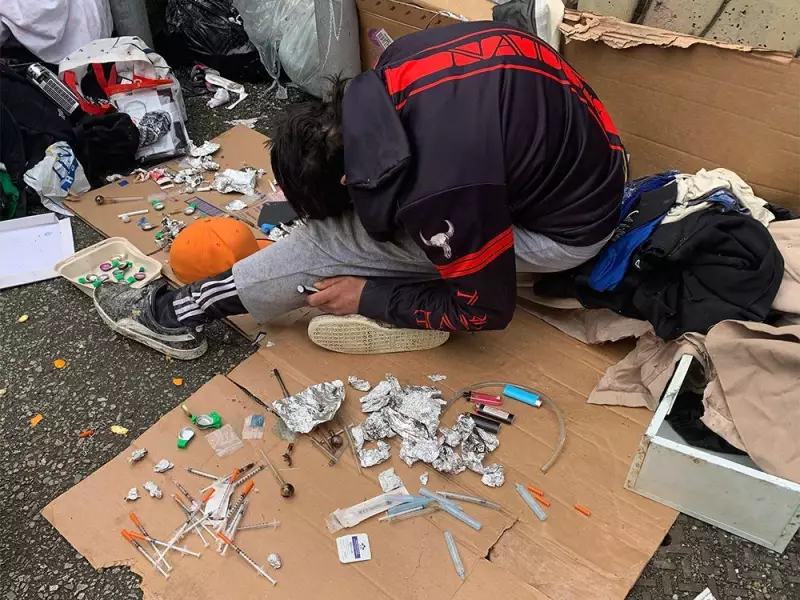
Public support for the pilot eroded quickly as reports surfaced of increased drug use in parks, near schools, and on beaches. A growing perception of public disorder and its impact on businesses led the province to amend the rules in May 2024, restricting decriminalized possession to private residences and overdose prevention sites.
Police drug seizure data reflects this shift. After decriminalization began, monthly seizures dropped to an average of 165. Following the May 2024 restrictions, they climbed back to an average of 403 per month. This remains below the pre-pilot average of 509 monthly seizures.
While some advocates argued the pilot successfully reduced harmful police interactions with drug users, the government determined that public safety concerns were paramount.
The Ongoing Toxic Drug Crisis and Path Forward
The decision comes as B.C. continues to grapple with a toxic drug crisis declared a public health emergency in 2016. Since then, more than 16,000 British Columbians have died from overdoses or drug poisoning.
There is, however, a recent glimmer of improvement. Preliminary data shows a 23% decrease in toxic drug deaths between January and October 2025 compared to the same period in 2024. The province now aims to build upon this trend by channeling resources toward treatment infrastructure, signaling a move from a harm-reduction-focused experiment back toward a system emphasizing care and recovery.