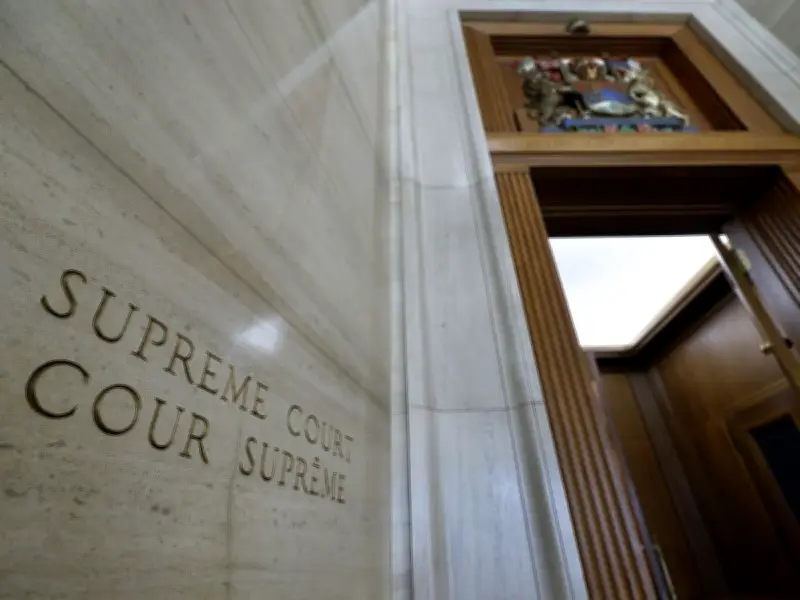
The Supreme Court of Canada has unanimously dismissed a bid by the Edmonton Police Service to restrict information about officer misconduct that is turned over to defendants in criminal cases. The ruling, delivered on Friday, June 26, 2026, affirms that police cannot unilaterally withhold relevant information based on their own privacy assessments.
Case Background
The decision came in the case of Edmonton Police v. John McKee, a man charged in 2022 with drug and weapons offences. During pre-trial proceedings, McKee learned that the lead detective had disciplinary records that could assist his defence. While the Crown agreed the records were relevant, Edmonton police refused to turn them over, claiming the misconduct had been removed from the officer’s disciplinary file after a period of good behaviour.
Supreme Court's Reasoning
A seven-judge Supreme Court panel disagreed with the Edmonton Police Service’s interpretation of the law. Justice Sheilah Martin wrote for the court: “The police must meaningfully participate in the disclosure process by identifying and transmitting relevant information to the Crown, including investigative and disciplinary material.” She added that “the administrative removal of a record of police misconduct from a police officer’s record of discipline does not alter the legal regime under which its disclosure is determined in criminal proceedings.”

Police Arguments Rejected
Edmonton police had argued that requiring them to turn over files that had been “expunged” from an officer’s disciplinary record would undermine their privacy rights and cause the justice system to “collapse under the impossibility of the Crown’s disclosure obligations.” The court rejected this reasoning, stating that an accused’s ability to make “full answer and defence” trumps privacy concerns. “Police cannot unilaterally withhold relevant information from first party disclosure based on their assessment of their privacy interests,” Martin wrote.
Impact on Criminal Proceedings
The ruling clarifies that police must disclose relevant misconduct records, even if those records have been administratively removed. This ensures that defendants have access to information that could be crucial to their defence. The decision underscores the principle that the right to a fair trial overrides police privacy claims in the context of criminal disclosure.