A community initiative for older adults in Northern Ontario has found unexpected and remarkable success during the winter months, transforming from a modest summer pilot into a vital weekly gathering. The program at Sudbury's Kivi Park now regularly attracts up to 195 participants each week, defying its origins as a warm-weather experiment.
From Summer Pilot to Winter Wonderland
The story began four years ago when the program was launched as a pilot project intended for the summer season. Organizers aimed to provide outdoor activities and social connection for seniors during the warmer months. However, the overwhelming positive response and clear community need prompted a pivotal question: why stop when the snow flies?
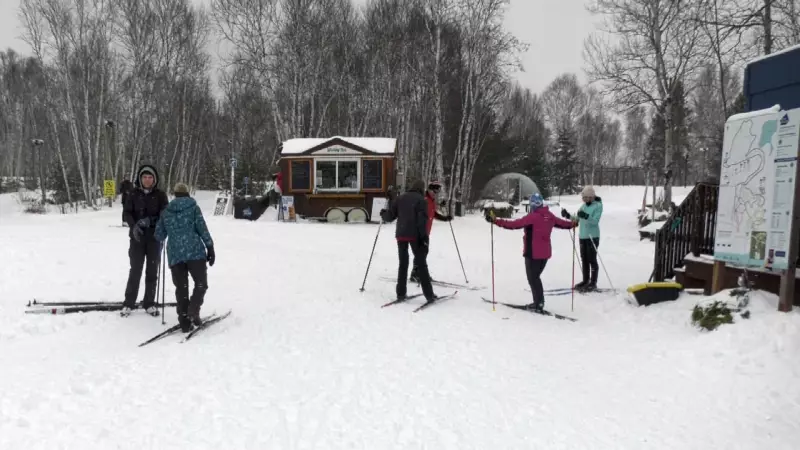
This led to the program's expansion into the winter, a move that has proven to be a resounding success. The transition required adapting activities for colder weather, focusing on accessible winter walks, snowshoeing, social gatherings indoors at the park's lodge, and other seasonal events that prioritize safety and enjoyment.

Building Community and Combating Isolation
The program's core achievement lies in its powerful impact on social well-being. For many seniors in the region, the harsh winter months can lead to increased isolation and decreased physical activity. This program directly counters those trends by providing a consistent, welcoming, and active outlet.
Weekly participation figures reaching 195 underscore the program's role as a community hub. It offers more than just recreation; it fosters friendships, provides a sense of routine, and encourages an active lifestyle in a supported environment. The park's natural setting adds a significant mental health benefit, connecting participants with nature year-round.
A Model for Healthy Aging in the North
The accidental evolution and subsequent thriving of Kivi Park's winter program serves as an inspiring model for other communities, especially in colder climates. It demonstrates a successful formula for promoting senior health that combines:
- Accessible Outdoor Activity: Leveraging public green spaces for low-impact, seasonal exercise.
- Social Infrastructure: Creating regular, reliable opportunities for connection that combat loneliness.
- Program Flexibility: Being willing to adapt and extend successful initiatives beyond their original scope.
The program's growth from a simple pilot to a cornerstone of winter life for nearly 200 seniors weekly is a testament to the community's need and the organizers' responsive approach. It highlights how listening to participants and being willing to evolve can turn a seasonal idea into a year-round lifeline, enriching the lives of Northern Ontario's older adult population one winter week at a time.