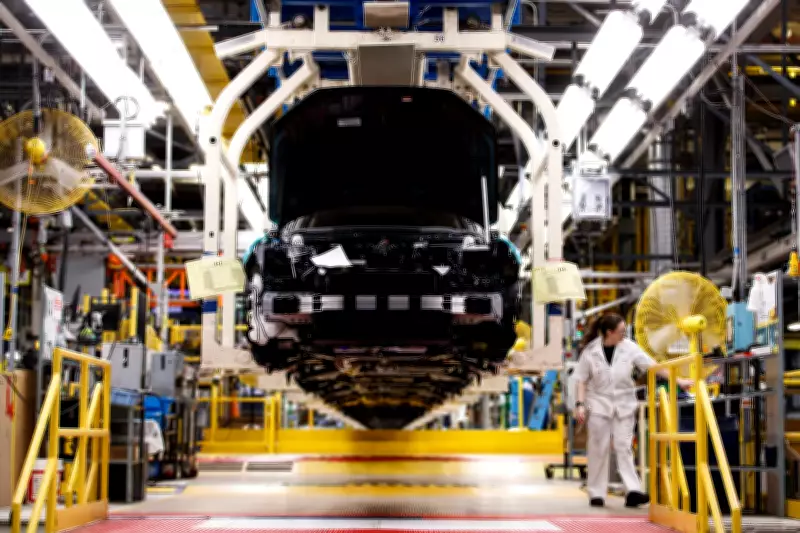
The Canadian automotive sector is embarking on a significant long-term transformation, strategically moving away from its traditional heavy dependence on the United States market. This shift reflects broader global economic trends and aims to enhance resilience and competitiveness in an increasingly volatile trade environment.
Strategic Diversification Efforts
Industry analysts report that automakers and suppliers are actively diversifying their supply chains and export destinations. This involves increasing investments in markets across Europe, Asia, and Latin America, while also bolstering domestic production capabilities to reduce vulnerabilities associated with U.S.-centric operations.
Impact on Manufacturing and Jobs
The transition is expected to reshape manufacturing landscapes, with potential implications for employment and regional economies. Companies are retooling facilities and adopting new technologies to align with this strategic pivot, ensuring they remain agile in the face of changing international trade dynamics.

Key drivers behind this shift include geopolitical uncertainties, evolving consumer preferences, and the push for more sustainable and electric vehicle production. By reducing reliance on a single market, the sector aims to mitigate risks and capitalize on emerging opportunities worldwide.
This long-term strategy underscores a proactive approach to navigating future challenges, positioning Canada's auto industry for sustained growth and innovation on the global stage.