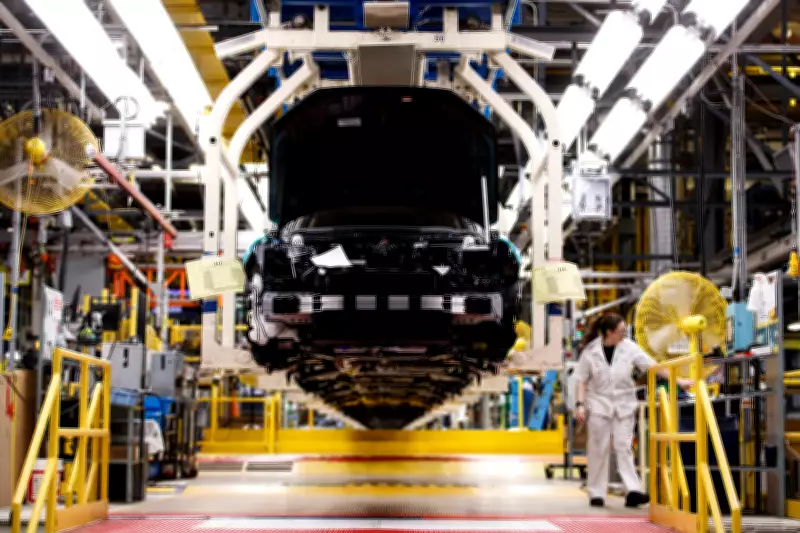
Auto Sector's Strategic Pivot Away from U.S. Could Reshape Industry, Expert Warns
An automotive industry expert has issued a stark warning that the sector's ongoing strategic pivot away from the United States could fundamentally reshape the entire industry. This significant shift, driven by evolving trade policies, geopolitical tensions, and changing economic priorities, is poised to alter manufacturing landscapes, supply chain dynamics, and global market structures.
The Driving Forces Behind the Shift
Several key factors are accelerating this monumental transition. Changing international trade agreements, heightened geopolitical uncertainties, and a global push for more diversified and resilient supply chains are compelling automakers to reconsider their longstanding reliance on U.S.-centric production and sourcing models. This strategic realignment is not merely a logistical adjustment but a profound transformation in how the automotive world operates.
The implications of this pivot extend far beyond simple factory relocations. Experts suggest it could lead to a complete reconfiguration of automotive manufacturing hubs, with regions outside the traditional U.S. sphere gaining increased prominence. This shift is also influencing investment patterns, research and development priorities, and labor market demands across the globe.

Potential Impacts on Manufacturing and Supply Chains
The potential reshaping of the industry carries significant consequences:
- Supply Chain Reconfiguration: Companies are actively seeking to establish more geographically diverse and politically stable supply networks, reducing vulnerability to single-country disruptions.
- New Manufacturing Hubs: Nations with favorable trade conditions, skilled labor forces, and supportive industrial policies are emerging as attractive alternatives for new automotive investments.
- Technological Adaptation: The pivot is accelerating the adoption of advanced manufacturing technologies and sustainable practices as companies rebuild production ecosystems.
- Economic Realignment: Regional economies historically dependent on U.S.-focused automotive trade may face challenges, while others could experience substantial growth.
Long-Term Industry Implications
This strategic shift away from the United States represents one of the most significant structural changes in the automotive sector in decades. Industry analysts predict it will lead to increased competition among manufacturing nations, potentially lower consumer costs through diversified production, but also possible short-term disruptions and increased complexity in global operations.
The expert emphasizes that while this pivot presents considerable challenges, it also offers opportunities for innovation and the development of more robust, adaptable automotive ecosystems. Companies that successfully navigate this transition could gain competitive advantages in the evolving global market, setting new standards for efficiency, sustainability, and resilience in automotive manufacturing.