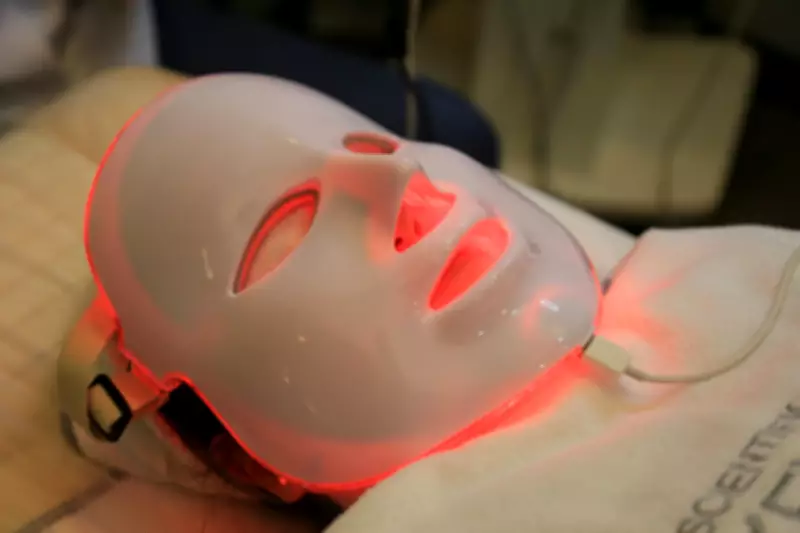
LED Face Masks: A Dermatologist's Comprehensive Guide to At-Home Light Therapy
In the rapidly evolving world of skincare, LED face masks have emerged as a prominent trend, promising professional-grade light therapy from the comfort of home. These devices, which emit various wavelengths of light to target specific skin concerns, are increasingly popular among consumers seeking non-invasive treatments. However, with a growing market comes the need for informed decision-making. Dermatologist Dr. Panteha Eshtiaghi provides essential insights into what individuals should consider before investing in an LED light therapy mask.
Understanding LED Light Therapy and Its Mechanisms
LED, or Light Emitting Diode, therapy utilizes specific light wavelengths to penetrate the skin at different depths, each color associated with distinct benefits. Red light, typically around 630-660 nanometers, is renowned for its anti-aging properties, as it stimulates collagen production and reduces the appearance of fine lines and wrinkles. Blue light, usually between 405-420 nanometers, targets acne-causing bacteria, making it effective for managing breakouts. Some advanced masks also incorporate near-infrared light, which penetrates deeper to promote healing and reduce inflammation.
Dr. Eshtiaghi emphasizes that while these mechanisms are scientifically supported, results can vary based on device quality and consistency of use. "Not all LED masks are created equal," she notes. "The intensity, wavelength accuracy, and coverage area significantly impact efficacy. Consumers should look for devices that specify their light output in milliwatts per square centimeter to gauge strength."

Critical Factors to Evaluate Before Purchase
When selecting an LED face mask, several key considerations can help ensure a safe and effective experience. First, skin type and concerns should guide the choice of light color. Individuals with acne-prone skin may benefit from blue light, while those focusing on anti-aging might opt for red or combined settings. Dr. Eshtiaghi advises consulting a dermatologist to determine the most suitable option, especially for those with sensitive skin or underlying conditions like rosacea.
Second, safety certifications are paramount. Look for masks that are FDA-cleared or Health Canada-approved, indicating they meet regulatory standards for low-risk devices. "Avoid uncertified products, as they may emit harmful UV light or incorrect wavelengths," warns Dr. Eshtiaghi. Additionally, consider ease of use and comfort, such as adjustable straps, eye protection, and session timers, which enhance adherence to treatment protocols.
Realistic Expectations and Potential Limitations
While LED masks offer convenience, they are not a miracle cure. Dr. Eshtiaghi highlights that consistency is crucial, with most devices requiring regular use over weeks or months to see noticeable improvements. "These are maintenance tools, not replacements for professional treatments like lasers or prescription medications for severe issues," she explains. Moreover, results may be subtle, focusing on texture refinement, reduced redness, or mild acne control rather than dramatic transformations.
Cost is another factor, with prices ranging from under $100 to over $500. Higher-priced models often feature medical-grade components and broader light coverage, but Dr. Eshtiaghi suggests balancing budget with verified reviews and clinical data. "Invest in a mask from a reputable brand that provides transparency about its technology and clinical studies," she recommends.
Integrating LED Masks into a Holistic Skincare Routine
To maximize benefits, LED therapy should complement a comprehensive skincare regimen. Dr. Eshtiaghi advises using masks on clean, dry skin, typically for 10-20 minutes per session, followed by moisturizer and sunscreen during the day. Avoid combining with photosensitizing ingredients like retinoids or alpha hydroxy acids immediately before use to prevent irritation. For optimal outcomes, pair light therapy with healthy habits, including a balanced diet, adequate hydration, and sun protection.

As the demand for at-home skincare solutions grows, LED face masks represent a promising option for those seeking non-invasive treatments. By prioritizing safety, suitability, and realistic goals, consumers can navigate this trend effectively. Dr. Eshtiaghi concludes, "Education is key. Understanding how these devices work and what to look for empowers individuals to make choices that support their skin health journey."