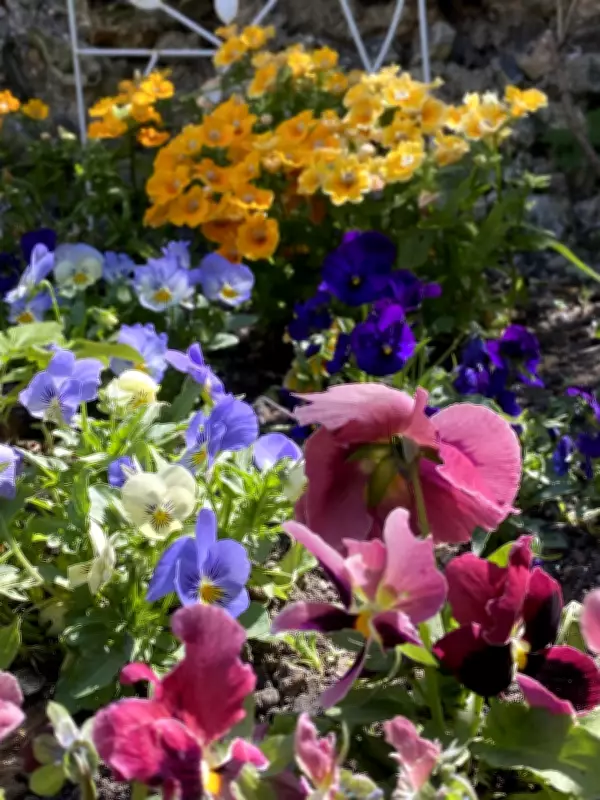
Garden design is a sophisticated art that can take a lifetime to master. But then again, some of the prettiest home gardens are anything but perfect. As spring arrives, garden stores are filling up with young plants, and planning for a vibrant garden is well underway.
When to Start Planting
Technically, you should put off planting in earnest, especially perennials, until all danger of frost has passed. It is useful to know what garden zone you live in, which can be determined with a quick online search. However, many hardy annuals—plants that are perennials in warm climates but sold as annuals in cooler regions—do well from around mid-April onward.
Top Hardy Annuals for Spring
- Pansies: These are favorite flowers for many, thriving in urns, hanging baskets, and flowerbeds. With care, they bloom through summer and may even return the following year.
- Impatiens: Another hardy option that fills in nicely over the season.
- Begonias: These also perform well. If a hard frost is forecast, cover them overnight with garbage bags or bedsheets for protection.
Embrace Experimental Gardening
Many gardeners do not follow a detailed plan beyond rough outlines of beds, lawns, and pathways. Instead, they adopt an experimental approach, trying new plants from garden centers or catalogs. Some experiments succeed, others fail. Plants may become overgrown and need dividing, while some areas become crowded and others bare.

Key Rules of Thumb
Over time, experienced gardeners develop guidelines. The most important is to understand your garden's specific conditions and how they change seasonally. For example, a garden may be sunny and dry in early spring, then become shadier as trees fill in by mid-June. Some spots may remain sunny from April to October, ideal for sun-loving plants like sunflowers, peonies, and delphiniums. Observe wet, dry, low-lying, or high-ground areas, as some plants tolerate wet feet while others, like hostas, do not. Level uneven spots before planting if needed.
Building a Continuous Bloom Garden
One reliable way to ensure blooms from spring to fall is to visit your local garden centre regularly and note what is in bloom in the perennial racks. You do not always need to buy, but this helps educate yourself on bloom times. Taking weekly photos of your garden from now until first frost is useful for tracking changes and reminding you where spring bulbs are after they die back, preventing accidental planting on top of them.
The Beauty of Imperfection
Garden design is a sophisticated art that can take a lifetime to master. While your garden may not win a landscaping award, the most beautiful garden on the block is not necessarily the perfectly manicured, weed-free one. Instead, it is the garden next door—perhaps a bit more chaotic, but bursting with colour and life, clearly planted and tended with love.