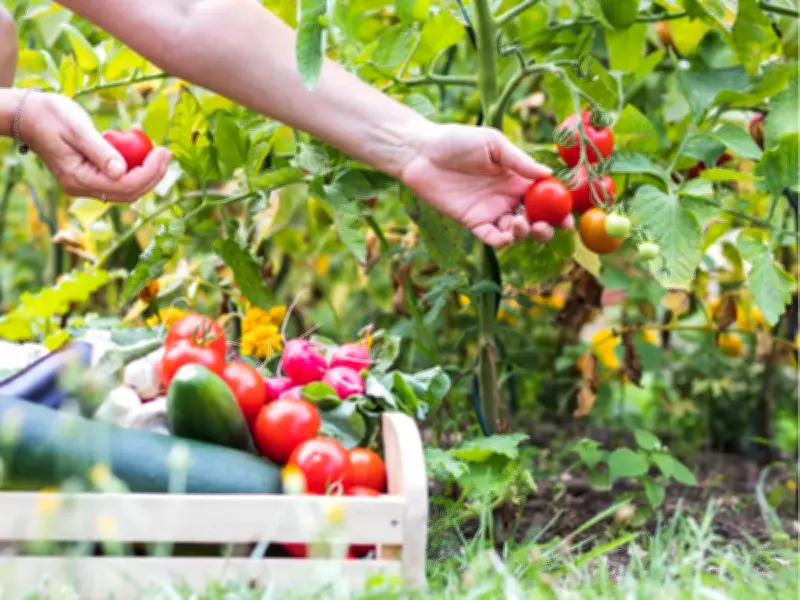
Helen Chesnut shares cost-reducing measures to consider in your garden. With rising costs for plants, soil amendments, containers, and other garden-related items, many avid gardeners are seeking ways to cut expenses without sacrificing blooms or yields. Here are practical tips to help you garden on a budget.
Grow from Seed and Share
Growing plants from seed is one of the most economical ways to expand your garden. Share seeds with friends who want the same varieties and divide costs. Use free seeding containers such as beverage cartons with a side cut out or plastic containers that held produce like baby spinach. These can often be obtained from friends or local delis. Wash containers thoroughly and punch drainage holes in their bases before use.
Save Your Own Seeds
Save seeds from your own plants. Lettuce is an easy crop to start with. Choose one or two of the best plants from a variety you want to preserve and allow them to produce flower stems. Fluffy seed heads will follow, providing seeds for the next season at no cost.

Buy Small Plants and Find Free Materials
Seek out small plants at nurseries. They cost less than larger specimens and tend to settle in more quickly after transplanting. For mulching, collect free materials like leaves from neighbors. Use these to cover empty plots during winter or place them around summer vegetables to cool the soil and conserve moisture.
Compost and Recycle Kitchen Waste
Compost all garden waste except woody debris and seed-bearing weeds. Finished compost enriches your soil and reduces the need for purchased amendments. Save kitchen vegetable and fruit trimmings to dig into holes along plot edges and corners that dry out quickly. This on-site composting creates areas of spongy absorbency and fertility.
Homegrown Kale for Better Flavor
If you grow your own kale, you can harvest young, tender leaves that are far more palatable than the tough, large leaves often found in stores. At the coast, kale plants produce clusters of fresh growth through fall, mild winter weather, and much of spring. These tufts of new leaves and stems are tender and tasty, ideal for light stir-frying or salads.
For more gardening advice, consider making the best use of space in your vegetable plot and planting flowers to nurture pollinators. These strategies not only save money but also enhance the health and productivity of your garden.