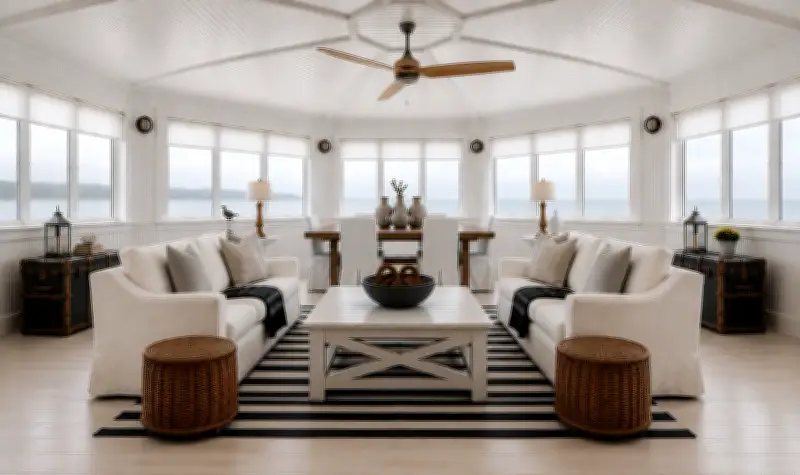
After a decade of black-framed windows dominating residential design, white window frames are quietly staging a comeback, according to design experts Colin and Justin. In a recent column, the duo note that while black fenestration became the default choice for everything from industrial lofts to suburban townhomes, a shift toward softer palettes and natural materials is now bringing white frames back into favor.
Black frames reigned for a decade
Black-framed windows rose to prominence around ten years ago, inspired by steel factory windows and industrial lofts. Designers embraced them for their ability to act like “eyeliner for a room,” sharpening views and defining spaces with crisp precision. Externally, black frames against dark siding, stone or brick delivered a striking contemporary aesthetic. Soon, entire neighborhoods adopted the look, and black-framed glazing became as versatile and stylish as a little black dress.
However, as Colin and Justin point out, when any design motif becomes the default, it inevitably begins to feel less distinctive. “White frames, by contrast, feel lighter, softer and less self-conscious,” they write. Rather than drawing attention to themselves, white frames allow the eye to focus on what lies beyond the glass. Where black frames present views as carefully composed pictures, white frames recede, creating a stronger connection between indoors and out.

The pendulum swings toward quiet refinement
Across much of the design landscape, the pendulum is swinging from dramatic contrast towards quiet refinement. White frames answer that brief beautifully, particularly when paired with considered detailing and quality materials. Classic New England homes, grand Georgian townhouses and traditional Scottish villas have used white windows for generations because they feel elegant rather than fashionable. “The most sophisticated homes rarely chase trends; instead, they prioritise proportion, craftsmanship and architectural integrity,” the designers note.
Window frames and their colour should support rather than compete with the architecture they inhabit. While a contemporary home clad in moody cedar, textured concrete or standing-seam metal can look exceptional with black-framed glazing, applied indiscriminately the effect can feel like pairing Adidas trainers with a tuxedo—fashionable perhaps, but not necessarily appropriate.
Practical considerations for white frames
Another consideration is how windows are experienced from within. Black frames emphasise outlines and can be beautiful in moderation, but in rooms with numerous openings the effect can become visually busy. White frames tend to feel brighter and more relaxed, particularly in smaller spaces where every ounce of natural light matters. They also adapt more readily to evolving interiors. A black frame can feel like a permanent declaration, whereas white can accommodate changing palettes, furnishings and tastes with ease.
Colin and Justin stress that none of this means black is over. “Appropriately specified dark frames remain sophisticated—particularly within a contemporary edifice—but they’re no longer the automatic choice.” The best decisions shouldn’t be made because something is fashionable, but because it’s right for the project.
White frames prove timeless
White frames are remarkably resistant to trends: timeless, versatile and naturally aligned with the softer, more relaxed direction of contemporary design. They allow architecture, interiors and views to take centre stage rather than demanding attention themselves. “Perhaps that’s the real lesson here: the most successful decisions are often the least conspicuous,” the designers conclude.
While black fenestration will undoubtedly retain its place in the design lexicon, the renewed appreciation for white speaks to a broader shift towards subtlety and longevity. The conversation has moved from bold declarations to quiet confidence—and in that space, white frames are proving that sometimes the most enduring statements are those that barely need to be made at all.