Connecting with Nature: The Rise of Forest Bathing and Its Benefits
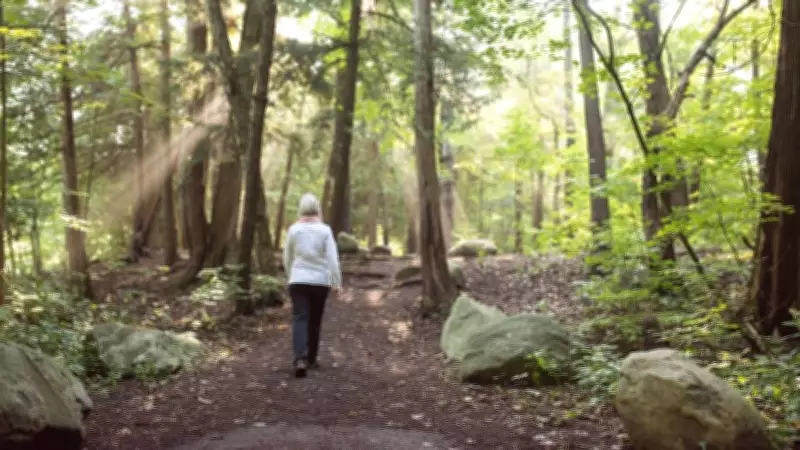
In an era dominated by digital screens and urban hustle, a quiet movement is gaining momentum: forest bathing. This practice, known scientifically as shinrin-yoku, involves immersing oneself in a forest environment to promote physical and mental well-being. Advocates like Beth Foster are leading the charge, demonstrating how simple walks among trees can offer profound health benefits.
The Science Behind Forest Bathing
Research indicates that spending time in nature can significantly reduce stress levels, lower blood pressure, and boost immune function. A study published in the International Journal of Environmental Research and Public Health found that participants who engaged in forest bathing experienced a notable decrease in cortisol, the stress hormone, compared to those in urban settings. The practice is not about rigorous hiking but rather mindful presence, encouraging individuals to engage their senses—listening to birdsong, feeling the texture of bark, and breathing in the earthy scent of the forest floor.
Beth Foster's Journey and Community Impact
Beth Foster, a certified forest therapy guide, has been instrumental in popularizing this practice through her Forest Bathing with Beth initiative. Her Facebook page showcases serene walks through local woodlands, attracting followers seeking respite from daily pressures. "It's about slowing down and reconnecting with the natural world," Foster explains. "Many people report feeling more grounded and less anxious after just a single session." Her efforts align with a broader trend, as wellness experts increasingly recommend nature-based therapies to combat modern ailments like burnout and anxiety.

Practical Tips for Getting Started
For those interested in trying forest bathing, experts suggest the following steps:
- Choose a quiet location: Find a nearby park or forested area away from heavy traffic or noise.
- Disconnect from devices: Leave phones and other electronics behind to minimize distractions.
- Engage your senses: Focus on what you see, hear, smell, and touch to deepen the experience.
- Take your time: Aim for at least 30 minutes to an hour, moving slowly and pausing often.
As urban sprawl continues, initiatives like Foster's highlight the importance of preserving green spaces for public health. With growing evidence supporting its benefits, forest bathing is poised to become a mainstream wellness practice, offering a simple yet powerful way to enhance quality of life through nature connection.