Blackfoot Crossing Historical Park Expands with Year-Round Cabins
The Blackfoot Crossing Historical Park is embarking on a significant expansion that will transform it into a year-round tourism destination. The addition of three cabins this year marks the beginning of this ambitious initiative, which aims to provide visitors with immersive cultural experiences throughout all seasons.
Strategic Expansion for Enhanced Visitor Experience
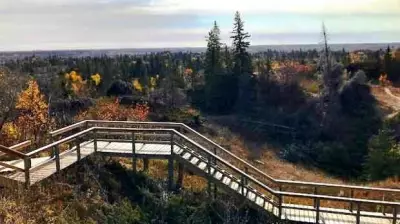
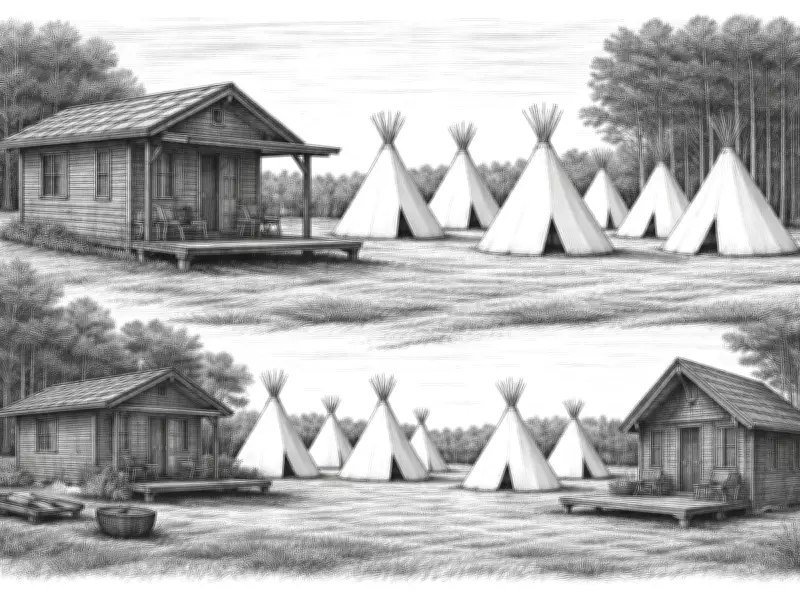
Interim general manager Tia Black announced that the three new cabins will be situated in the same area where 10 to 15 rentable tipis are traditionally set up each year. "We're hoping to bring more people to BCHP, to make it more appealing so that they can enjoy and learn," Black stated during an event announcing the cabin addition. The park, located approximately 120 kilometres southeast of Calgary, hosted this announcement as part of National Tourism Week celebrations.
This development represents a strategic move to extend the park's operational season beyond its current limitations. The cabins will provide comfortable accommodation options that complement the existing tipi experiences, creating a more diverse range of visitor options.

Funding and Future Plans
The cabin project received significant support through Alberta Tourism's announcement of over $8 million for various tourism initiatives across the province. This funding injection comes at a crucial time as the park prepares for an important milestone.
Park officials have outlined ambitious plans to expand the cabin offerings to a total of 10 units by next year. This expansion timeline aligns with the 150th anniversary of the signing of Treaty 7 at the site, which will occur in September 2027. The anniversary presents a unique opportunity to showcase the park's enhanced facilities to a broader audience.
Cultural Preservation and Economic Benefits
BCHP board chair Lenora Rabbit Carrier, who also serves as a Siksika Nation councillor, emphasized that the cabins are part of a comprehensive strategy to increase visitation to the tourist attraction. The park, which opened in July 2007, features a substantial 5,760-square-metre interpretative center situated on 15.5 square kilometres of land.
"It's another opportunity to bring people in, to get that cultural experience of who we are as Blackfoot," Rabbit Carrier explained. The facility already boasts North America's largest Blackfoot exhibition of artifacts, images, and interactive elements, along with a cafeteria and gift shop.
Indigenous Tourism Alberta director Dion Red Gun, a Siksika Nation member who offers guided fishing, hunting, and cultural experiences, highlighted the multiple benefits of the cabin project. "It's a huge, huge benefit for our Nation and for the traveller," Red Gun stated. He noted that the cabins will provide visitors with accommodation during shoulder tourism seasons while creating valuable employment opportunities for youth in the community.
Indigenous-Led Tourism Development
Siksika Nation Chief Samuel Crowfoot emphasized the importance of Indigenous control over tourism experiences. "People sometimes gloss over Indigenous tourism like it's a footnote," Crowfoot observed. "In my mind, it's the whole chapter." He stressed that Indigenous tourism achieves its greatest success when First Nations communities maintain control over the experiences and are responsible for teaching visitors about their culture and heritage.
Terry Goertzen, Travel Alberta vice president of economic development, confirmed that the four-season cabins are expected to be completed by October. Travel Alberta is currently soliciting bids from construction companies to undertake the building project. "This is another way of building overnight capacity here at Blackfoot Crossing to experience the culture," Goertzen noted, adding that Travel Alberta had previously invested in the tipis at the historical park.
The expansion represents a significant step forward for Blackfoot Crossing Historical Park, enhancing its ability to share Blackfoot culture while contributing to the local economy through increased tourism. As the park approaches its important anniversary, these new facilities will help ensure that visitors can engage with Indigenous history and culture throughout the entire year.