Canada's Controversial Stance on Al-Quds Day and the Tolerance Debate
In recent years, Canada has found itself at the center of a heated debate over its tolerance of Al-Quds Day events, which are held annually in support of Palestinian rights and often feature rhetoric that critics label as intolerant or anti-Semitic. This issue highlights the complex balance between upholding free speech and addressing concerns about hate speech within Canadian society.
The Origins and Nature of Al-Quds Day
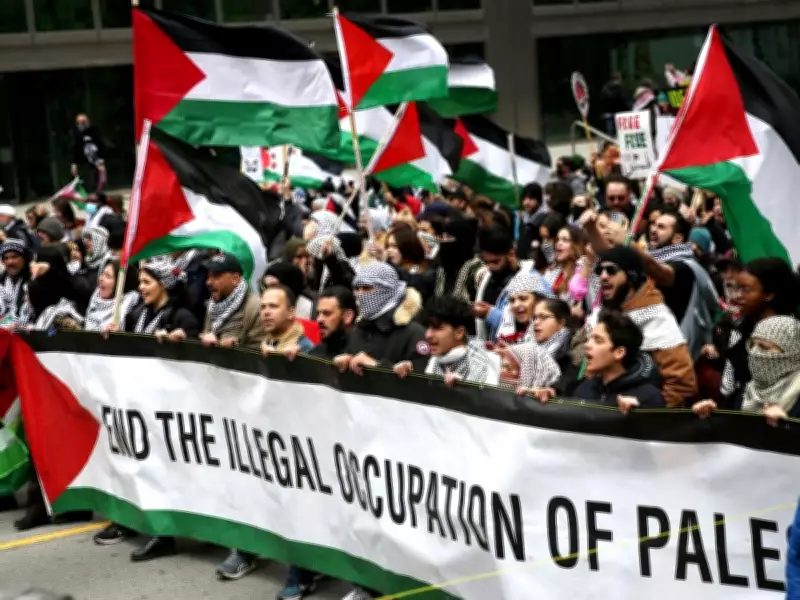
Al-Quds Day, initiated by Iran in 1979, is observed on the last Friday of Ramadan and is intended to express solidarity with Palestinians and opposition to Israeli control of Jerusalem. In Canada, these events have been organized by various groups, including some with ties to extremist ideologies. While organizers claim the day is about peaceful protest and human rights, opponents argue that it frequently includes calls for violence against Jews and the destruction of Israel, crossing the line into hate speech.
Canada's Legal and Social Framework
Canada prides itself on being a multicultural society that values freedom of expression, as enshrined in the Charter of Rights and Freedoms. However, this freedom is not absolute; laws such as the Criminal Code prohibit hate speech that incites violence or discrimination. Critics point out that authorities have been hesitant to intervene in Al-Quds Day events, citing free speech protections, even when speeches contain inflammatory language. This has led to accusations that Canada is tolerating intolerance, undermining its commitment to combating anti-Semitism and promoting social harmony.

Public and Political Reactions
The debate has sparked strong reactions from various quarters. Jewish organizations and some politicians have called for stricter enforcement of hate speech laws, arguing that allowing such events normalizes anti-Semitism and poses a threat to community safety. On the other hand, civil liberties groups and some activists defend the right to protest, emphasizing that suppressing speech could set a dangerous precedent for censorship. This polarization reflects broader tensions in Canada over how to navigate multiculturalism and security in an increasingly polarized world.
Implications for Canadian Society
The controversy over Al-Quds Day raises critical questions about Canada's identity and values. It challenges the nation to reconcile its principles of tolerance and inclusion with the need to protect vulnerable communities from hate. As incidents of anti-Semitism rise globally, Canada's approach to this issue could influence its international reputation and domestic social cohesion. Moving forward, there is a growing call for more nuanced policies that distinguish between legitimate political discourse and harmful rhetoric, ensuring that free speech does not come at the cost of public safety or moral integrity.