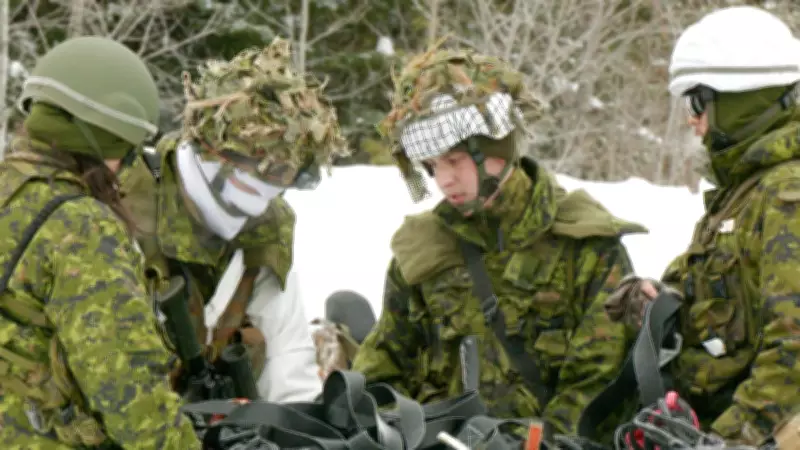
Canadian Army Reservists Conduct Intensive Winter Warfare Training in Hearst
In a rigorous display of military preparedness, Canadian Army reservists have successfully concluded a nine-day winter exercise in the Hearst area of Northern Ontario. The training, officially designated as Exercise Glacial Arrowhead 26, focused on enhancing cold weather survival tactics and operational capabilities in harsh winter conditions.
Mastering the Elements: Key Objectives of Glacial Arrowhead 26
The primary aim of this winter warfare exercise was to equip reservists with essential skills for surviving and operating effectively in extreme cold. Participants engaged in a variety of scenarios designed to simulate real-world challenges, including navigation through snow-covered terrain, constructing emergency shelters, and managing logistics in sub-zero temperatures. This hands-on training is crucial for ensuring that personnel can maintain readiness during Canada's long and severe winters, which often present unique obstacles for military operations.
Exercise Glacial Arrowhead 26 involved reservists from multiple units, fostering teamwork and interoperability across different branches. The exercise emphasized not only individual survival skills but also collective tactics, such as small-unit maneuvers and communication strategies in snowy environments. By practicing these techniques, the reservists are better prepared to support domestic operations, including disaster response and sovereignty patrols, where cold weather proficiency is paramount.

Strategic Importance of Cold Weather Training
Cold weather exercises like Glacial Arrowhead 26 are vital for the Canadian Armed Forces, given the country's vast northern regions and unpredictable winter climates. Such training ensures that reservists, who often serve part-time while balancing civilian careers, remain adept at handling emergencies that may arise during winter months. This exercise also aligns with broader defense strategies to bolster Arctic capabilities, as climate change and geopolitical shifts increase focus on northern security.
The Hearst area, with its remote location and typical winter conditions, provided an ideal setting for realistic training. Reservists faced actual environmental challenges, from freezing temperatures to heavy snowfall, allowing them to apply theoretical knowledge in practical contexts. This experience not only builds resilience but also enhances confidence in their ability to perform under pressure, whether in training or potential real-life missions.
As global tensions and environmental factors evolve, exercises such as Glacial Arrowhead 26 underscore the Canadian Army's commitment to maintaining a high state of readiness. By investing in cold weather survival training, the military ensures that its reservists are well-equipped to protect national interests and assist communities in need, no matter how harsh the weather becomes.