Canada's Military Readiness Under Scrutiny as Iran Conflict Looms
The ongoing debate about Canada's potential involvement in the military conflict against Iran, initiated by the United States and Israel, has reached a point of absurdity according to defense analysts. Prime Minister Mark Carney has confirmed that Canada was neither consulted nor invited to participate in the recent strikes, yet discussions about hypothetical military contributions continue in political and defense circles.
Political Posturing Versus Military Reality
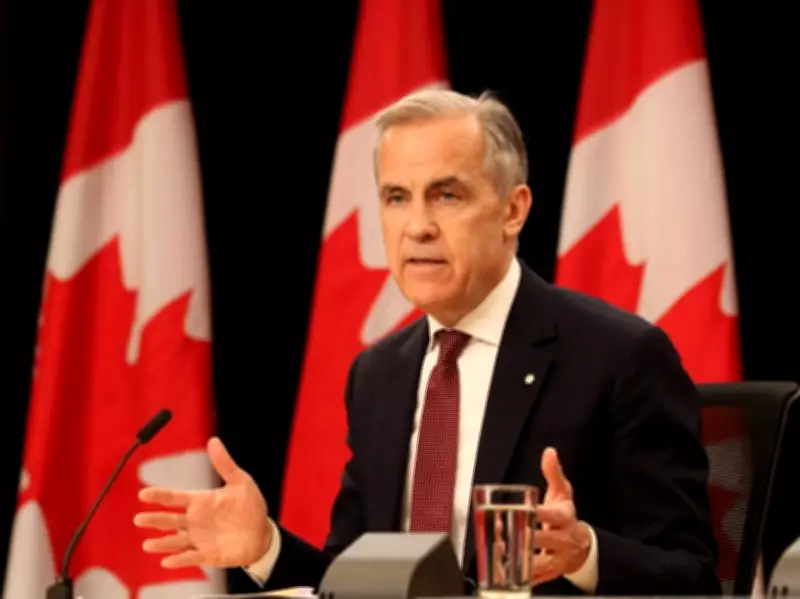
During a press conference in Australia, Prime Minister Carney refused to categorically rule out military intervention when questioned by reporters. "In terms of war, there are likelihoods, there are possibilities, you have to plan for the worst, but there are no certainties in conflict," Carney stated, emphasizing his commitment to defending Canadians and supporting allies when necessary.
Chief of Defence Staff General Jennie Carignan echoed this position at a defense conference in Ottawa, suggesting Canada might need to assist Gulf allies against Iranian attacks. "Our Gulf partners may require defence and support, so within that context, this would be the type of military options that we could consider," Carignan told reporters.

Depleted Resources and Aging Equipment
The fundamental problem, according to military experts, is that Canada's armed forces lack the necessary equipment and personnel to make any substantial contribution to the conflict. The Canadian Air Force's primary fighter jet, the CF-18, illustrates this deficiency:
- Approximately 75 CF-18 fighter jets remain in service
- Most aircraft are over 40 years old
- Only 36 jets received recent upgrades to maintain operational capability
- The aging fleet cannot compete with modern aircraft possessed by Gulf allies
By comparison, Saudi Arabia operates more than 200 F-15 fighter jets, with over 80 delivered within the last decade. The United Arab Emirates maintains a fleet of approximately 80 F-16 jets, averaging just 20 years in age, which have actively participated in missile interception operations since Iran began retaliatory strikes.
Historical Context Highlights Decline
During the 1991 Gulf War, Canada demonstrated significant military capability by deploying:
- More than 4,000 troops to the region
- Three naval vessels
- A squadron of CF-18 fighter jets
- Sea King helicopters
- A fully operational field hospital
Today, military analysts argue that such an operation would be impossible for the Canadian Armed Forces to execute. Chronic underfunding has systematically deprived the military of essential resources, contributing to recruitment challenges across the army, navy, and air force divisions.
The Recruitment Crisis Compounding Problems
The resource shortage has created a vicious cycle affecting military recruitment. Potential recruits observe the inadequate equipment and limited operational capabilities, making military careers less appealing. This recruitment difficulty further diminishes Canada's ability to maintain even basic defense readiness, let alone participate in international conflicts.
Naval capabilities present additional limitations. Gulf states collectively possess superior naval resources compared to Canada's available assets. The logistical challenge of transporting Canadian naval vessels halfway around the world for any hypothetical mission would strain already limited resources.
Political Theater Versus Practical Limitations
Defense experts characterize the current discussions about military options as political theater rather than practical planning. While political leaders appropriately avoid taking options off the table in diplomatic discussions, the military reality suggests Canada lacks meaningful capacity to contribute to the Iran conflict even if requested by allies.
The situation represents what analysts describe as a sad commentary on Canada's defense priorities over recent decades. The country has reached a point where political leadership engages in theoretical discussions about military contributions while practical limitations make such contributions virtually impossible.

As the Iran conflict continues to evolve, Canada faces the uncomfortable reality of being a G7 nation with limited ability to project military power or support allies in meaningful ways. This deficiency raises broader questions about defense spending priorities and Canada's role in international security arrangements moving forward.