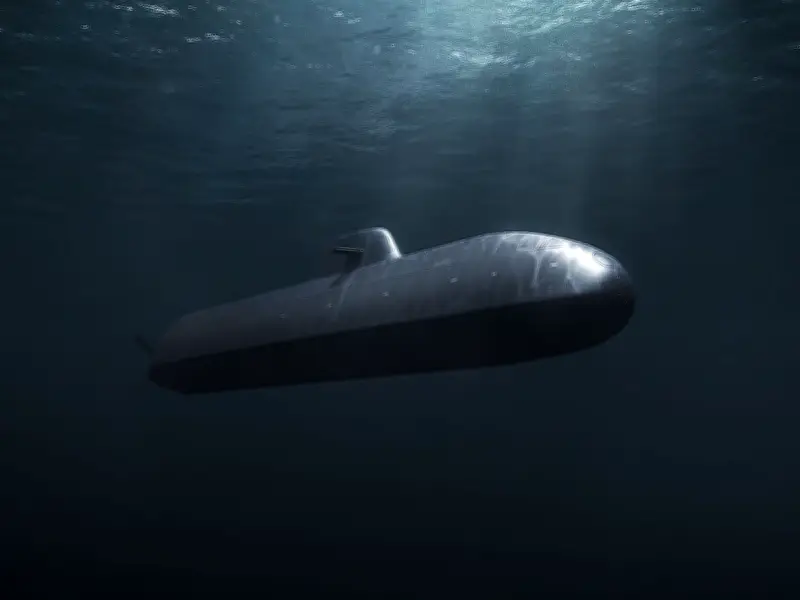
Prime Minister Mark Carney announced on Monday in Halifax that Germany's TKMS, in partnership with Norway, has been selected as the preferred bidder to build a fleet of up to 12 new submarines for Canada, with the first four expected to be in the water by 2034. This decision marks the largest procurement in Canadian history and represents a dramatic shift from the previous Liberal government's approach to defence.
From complacency to commitment
Just over two years ago, the Liberal government released its defence policy review, Our North, Strong and Free, which focused on Arctic sovereignty by defending Canada's coastline. The review acknowledged that only submarines could deny access to foreign powers in the Arctic, but it only committed to 'exploring options' for new diesel-electric submarines without allocating new funds. At that time, Canada's four Victoria-class submarines—purchased from the UK after being decommissioned in 1994 and left to rust for years—were deemed unfit for purpose. In 2019, all four subs were in dry dock and did not spend a single day at sea.
Former defence minister Bill Blair was candid about the challenges of persuading cabinet colleagues on the need for submarine capability. 'I had to sort of keep on pushing my issue about the importance and the need to invest in defence,' he said. Former Liberal government whip Lt.-General (ret'd) Andrew Leslie added that Prime Minister Justin Trudeau and his cabinet were not serious about defence and had no intention of meeting NATO spending targets, believing the US would always defend Canada.

A historic procurement under Carney
The shift in priorities under Prime Minister Carney is evident. The deal with TKMS was struck five years ahead of schedule, according to Carney, who described the procurement as 'historic for the ambition, speed and discipline with which it was delivered.' The accelerated timeline is partly due to new processes adopted by the Defence Investment Agency, headed by Doug Guzman, which has taken a more commercial and outcome-focused approach to buying submarines.
Geopolitical pressures have driven the need for speed, including rising threats from Russia and China in the Arctic and a growing sense that Canadian and US national interests no longer align. As Carney noted in Halifax, 'History is back with a vengeance… and Canada must change with it.' The US recently 'paused' involvement in the Permanent Joint Board of Defence, with Pentagon officials stating that Washington did not receive a 'credible' response from Ottawa on collective North American security priorities.
Cost and timeline
The total cost of the submarine fleet has not been disclosed, but it is expected to be tens of billions of dollars. The commitment to have the first four submarines operational by 2034 is ambitious, given that similar projects have historically taken 18 years from cabinet decision to delivery. Carney emphasized the urgency, saying the deal demonstrates that Canada is serious about defending its sovereignty and meeting NATO obligations.