Significant Firearms and Drug Interception at Detroit-Windsor Border Crossing
In a major enforcement action, U.S. Customs and Border Protection (CBP) officers have successfully seized multiple firearms, a substantial quantity of ammunition, and marijuana during a routine inspection at the Detroit-Windsor Tunnel. This critical incident underscores the persistent challenges and vigilant efforts in maintaining security at one of North America's busiest international crossings.
Details of the Seizure Operation
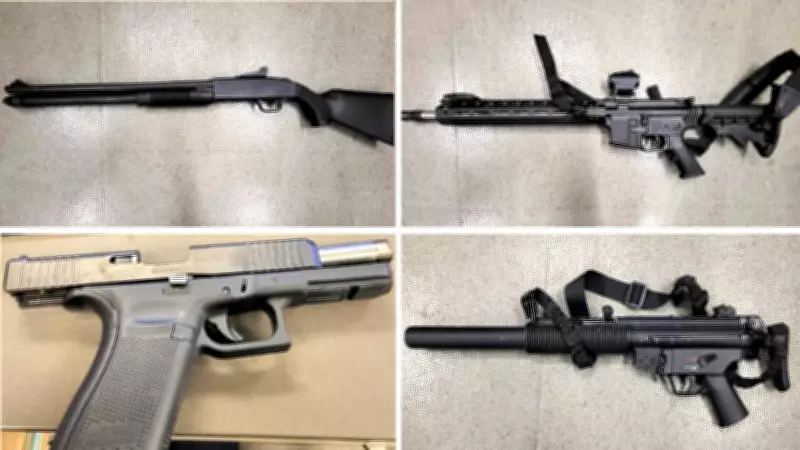
The seizure occurred as CBP agents conducted standard vehicle inspections at the tunnel, which connects Detroit, Michigan, to Windsor, Ontario. Officers discovered the illicit cache, which included several firearms and ammunition, along with marijuana, hidden within a vehicle attempting to cross the border. The exact types and quantities of the seized items have not been fully disclosed by authorities, but the operation highlights the sophisticated methods sometimes employed by traffickers.
This interception is part of broader initiatives to combat illegal smuggling activities that threaten public safety on both sides of the border. CBP officials emphasized that such seizures are crucial for preventing dangerous weapons and drugs from entering communities, thereby protecting citizens from potential harm.

Context of Cross-Border Security Challenges
The Detroit-Windsor Tunnel is a vital conduit for trade and travel between the United States and Canada, with millions of vehicles passing through annually. This high traffic volume presents ongoing security challenges, as criminals may attempt to exploit the crossing for illicit purposes. The recent seizure reflects the continuous monitoring and advanced screening technologies deployed by CBP to detect and intercept contraband.
Border security experts note that incidents like this demonstrate the importance of international cooperation in addressing transnational crime. Collaboration between U.S. and Canadian law enforcement agencies is essential for sharing intelligence and coordinating responses to smuggling attempts, ensuring a unified front against threats.
Implications for Public Safety and Law Enforcement
The successful seizure has significant implications for public safety, as it prevents potentially lethal weapons and controlled substances from circulating in either country. Law enforcement agencies are likely to use this case to reinforce the message that border crossings are closely monitored, deterring future smuggling attempts.
- Enhanced inspection protocols at border points
- Increased use of technology for detection
- Ongoing training for CBP officers
- Public awareness campaigns on border regulations
Authorities have not released information on any arrests or charges related to this specific incident, but investigations are ongoing. The seizure serves as a reminder of the critical role border agents play in safeguarding national security and public health.
Broader Trends in Border Enforcement
This event aligns with broader trends in border enforcement, where agencies are increasingly focusing on intercepting firearms and drugs amid rising concerns over trafficking. Statistics show that seizures at the U.S.-Canada border have been on an upward trajectory in recent years, driven by improved detection methods and heightened vigilance.
- Routine vehicle inspections remain a primary tool for intercepting contraband.
- Advanced scanning equipment helps identify hidden items.
- Intelligence-led operations target known smuggling routes.
- Partnerships with local and international agencies enhance effectiveness.
As border security evolves, such seizures highlight the ongoing need for robust enforcement strategies to address emerging threats and protect communities from the dangers associated with illegal trafficking.